
CALIFORNIA TRUCK ACCIDENT CLAIMS
Truck Brake Failure and Poor Maintenance in California
Examine the defect. Follow the maintenance history.
The vehicle and its records can help explain what happened.
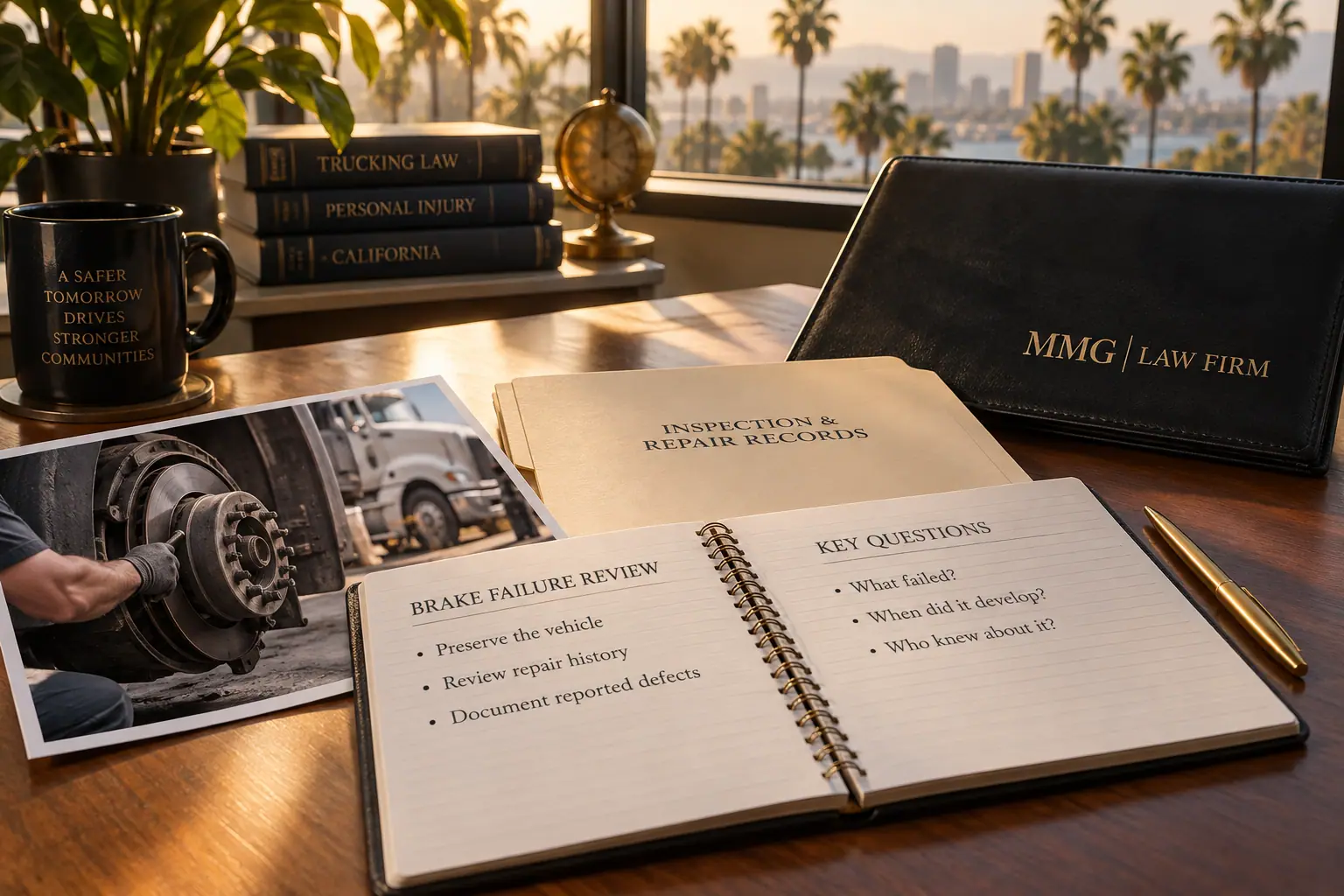
Three layers of a maintenance investigation
 01
01Routine maintenance
What was scheduled and completed?
 02
02Driver defect reports
What was noticed and reported?
 03
03Periodic inspections
What was examined at that time?

A passing inspection does not establish the truck’s condition at the time of a later crash.
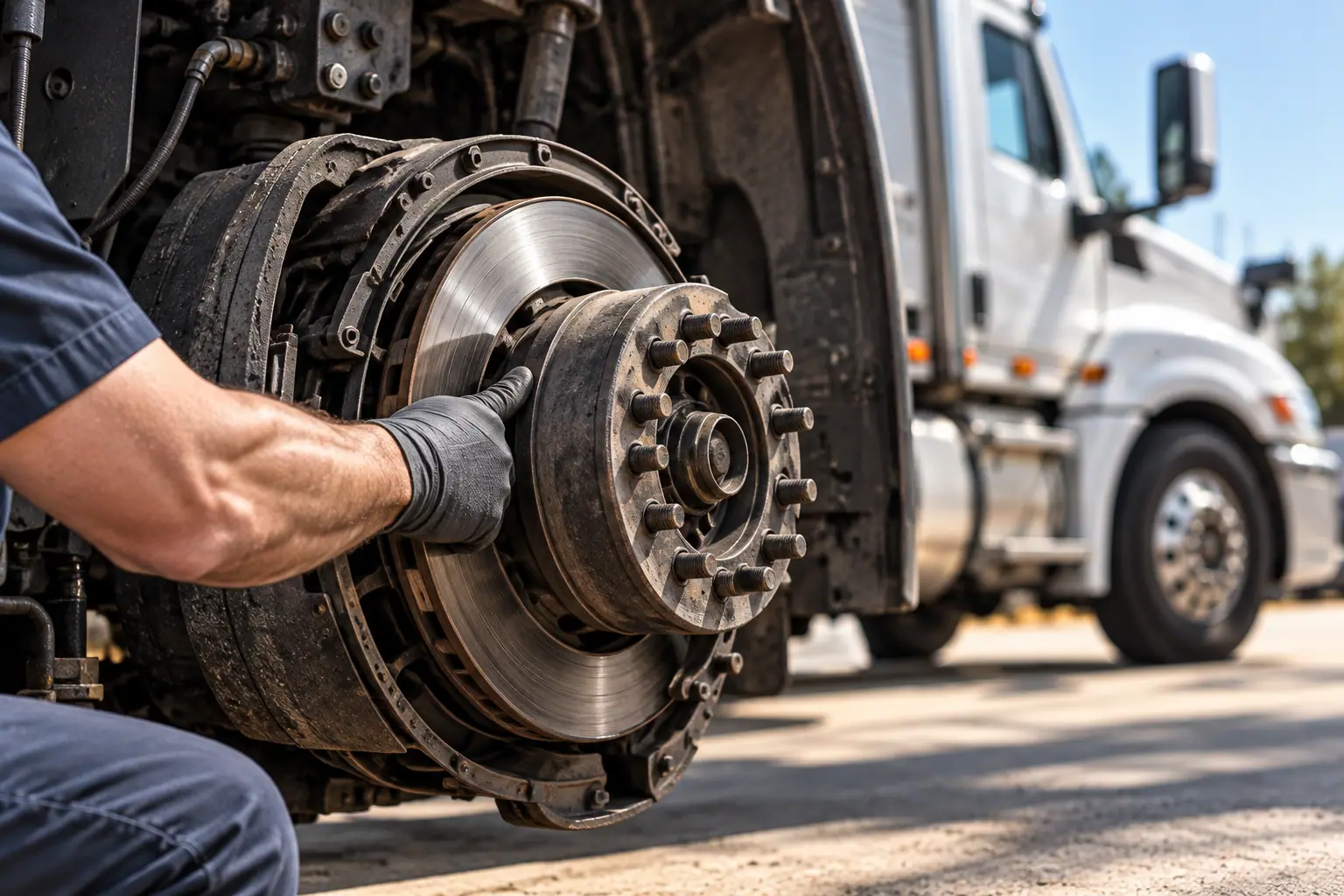
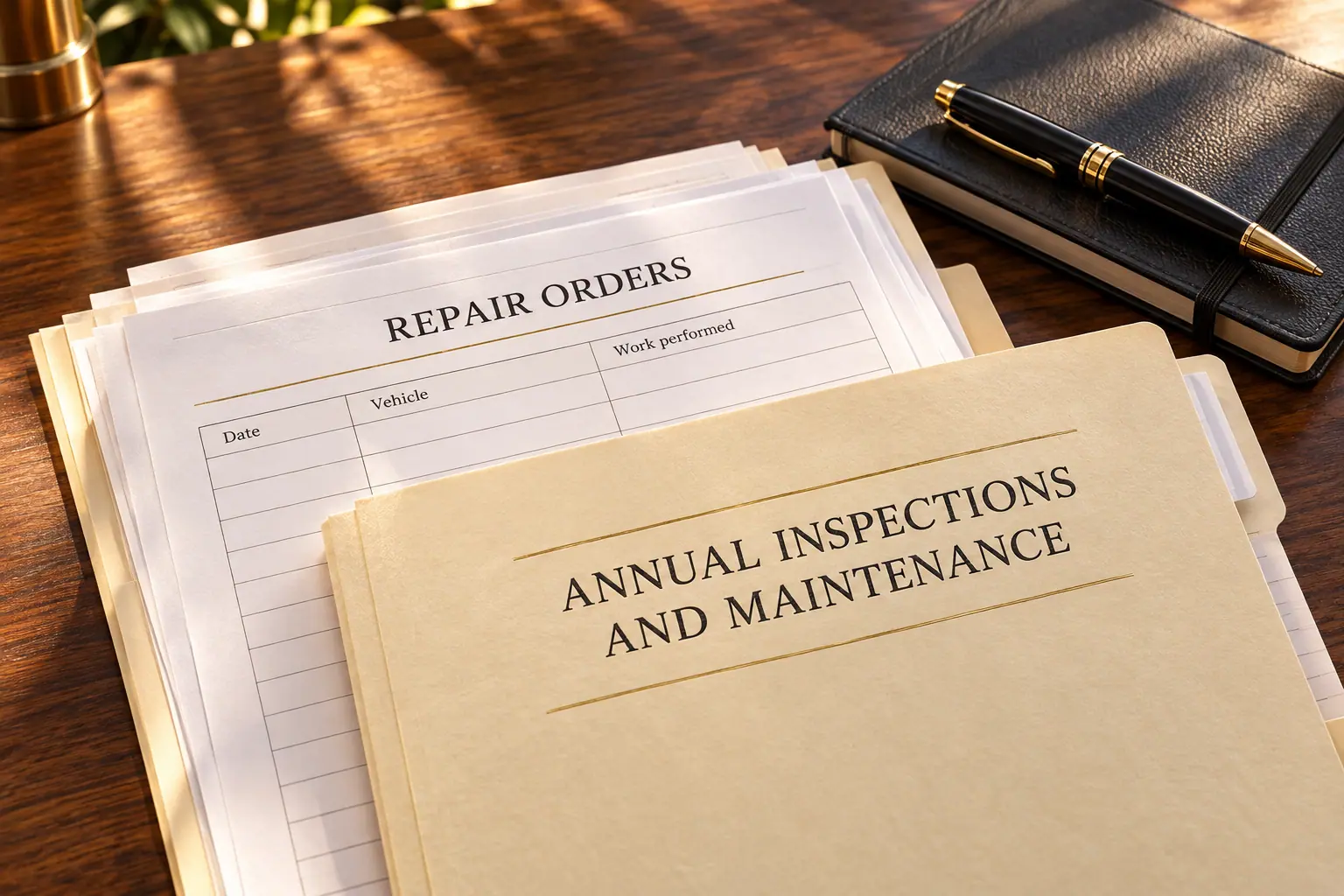
A brake failure claim starts with evidence
When a truck does not stop in time, a mechanical problem may be part of the explanation. But the collision alone does not establish brake failure, poor maintenance, or responsibility. The investigation needs to determine what happened, whether a defect existed before impact, and whether it contributed to the injuries.
The truck’s condition and its maintenance history should be examined together. Physical components may reveal a problem; inspection reports, repair records, and driver communications may show when it developed and who knew about it.
MMG Law Firm offers free case evaluations for people injured in California truck accidents. Call (818) 539-7969 to discuss the crash and evidence that may need prompt preservation. You do not need to prove a mechanical defect before calling.
Preserve evidence before it changes.
Vehicle repairs and disposal can affect an investigation.
Explore evidence preservationCALIFORNIA
STRONGER TOGETHER
SAFER TOMORROW
What may explain a truck braking problem?
An investigation may examine worn or damaged components, air-system problems, brake adjustment, overheating, or earlier repair work. The relevant components and tests depend on the truck and trailer’s actual brake systems.
Brake fade is a reduction in braking effectiveness associated with heat. California DMV explains that excessive brake use can cause overheating and fading or failure. That makes vehicle operation, road grade, and maintenance potentially relevant together. Read California DMV’s truck-driver guidance.
Investigators should also consider other explanations, such as speed, following distance, driver attention, road conditions, and the load. These factors can overlap. A defect found after a collision may have existed beforehand—or may have resulted from impact.
Federal rules generally require brakes with which a covered vehicle is equipped to remain operative, subject to specified exceptions. 49 CFR 393.48 explains the operative-brake requirement. Applying that rule to a particular truck requires review of the equipment and operation involved.
Three layers of inspection and maintenance
Routine maintenance: what was scheduled and completed?
For covered vehicles, federal rules require carriers to systematically inspect, repair, and maintain vehicles under their control. Relevant records can identify the vehicle, scheduled maintenance, and the dates and nature of inspections and repairs. 49 CFR 396.3 sets out these duties and record requirements.
A service invoice should be compared with the actual work, reported concerns, and later vehicle use. A document marked completed does not, by itself, answer whether a repair was adequate or whether a new defect arose afterward.
Driver checks and defect reports: what was noticed?
Before driving a covered vehicle, the driver must be satisfied that it is in safe operating condition and review the applicable previous inspection report as required. See 49 CFR 396.13.
Driver vehicle inspection reports can identify safety defects and document corrective action. Where the rule applies, a carrier must address listed defects likely to affect safe operation before permitting further operation and provide the required repair certification. Do not assume a written no-defect report must exist for every day: the federal rule does not require a report when no defect or deficiency is discovered or reported, and it includes additional exceptions. Read 49 CFR 396.11.
Periodic inspections: what was examined at that time?
Covered vehicles generally require a qualifying periodic inspection at least once within the preceding 12 months. 49 CFR 396.17 describes the periodic inspection requirement.
A passing inspection is relevant evidence of the inspection at that time. It does not establish that the truck remained safe indefinitely or eliminate the need for routine maintenance and attention to later defects.
Federal rules do not apply identically to every vehicle or operation. California requirements and applicable exceptions also need review.
Who may be responsible for poor maintenance?
The driver, carrier, vehicle owner, and repair provider may be different people or businesses. The investigation should identify each party’s role instead of assuming the name on the truck answers every question.
- Motor carrier: its maintenance practices, response to defect reports, and decisions to keep a vehicle operating may matter.
- Driver: required checks, reported symptoms, and the response to a known problem may be relevant.
- Owner or lessor: agreements, control, and applicable duties should be examined; ownership alone does not settle the claim.
- Maintenance or inspection provider: the scope and quality of work, findings, and qualifications may require review.
- Manufacturer or supplier: a suspected product defect may call for a separate technical and legal investigation.
Federal regulations also address qualifications for personnel responsible for specified brake inspection, maintenance, service, or repair tasks. 49 CFR 396.25 explains the qualification requirements.
Outsourcing repairs does not end the inquiry into the carrier’s own duties. Conversely, hiring an outside shop does not automatically make that shop responsible for every later accident. A claim must connect a supported legal duty and relevant conduct or defect to the harm. See Trucking Company Liability.
Records that can connect a defect to the crash
A useful investigation asks specific questions rather than collecting paperwork without a purpose:
- What condition existed? Vehicle examination, photographs, measurements, and preserved components may identify damage or wear.
- When did the concern appear? Driver messages, defect reports, complaints, and service history may establish a timeline.
- What work was performed? Repair orders, invoices, parts records, and technician notes may show what was addressed.
- Who approved further operation? Repair certifications and dispatch communications may help explain decisions.
- How did the truck move? Available video, witness accounts, scene evidence, and vehicle data may help reconstruct the sequence.
- What losses followed? Medical records and work-loss documentation help explain the injuries and their effects.
Electronic logs and vehicle data serve different purposes. Do not assume a driving-hours log contains braking measurements, or that every truck stores useful crash data. The investigator must identify the system and its limitations.
Preserve the vehicle before evidence changes
Repairs, salvage, disposal, and later use can change the evidence. Prompt legal review can help identify the tractor, trailer, components, records, and data that should be preserved, and the parties who may control them.
A qualified inspection should be coordinated through appropriate arrangements. Photographs, identification of components, and documentation of how evidence is handled can help preserve its usefulness. Testing that changes or destroys a component requires careful planning and appropriate notice or agreement.
Do not enter a storage yard, crawl beneath a damaged truck, remove parts, or arrange unauthorized testing yourself. A preservation request is not permission to take possession or access a company’s systems. Read Truck Accident Evidence Preservation for more about preserving and obtaining records.
Record-retention periods are not waiting periods
Different federal records have different minimum retention rules:
- Maintenance records: records covered by section 396.3 have a one-year retention requirement and must also be retained for six months after the vehicle leaves the carrier’s control. The recordkeeping provisions include conditions and exceptions. Source: 49 CFR 396.3.
- Driver defect reports and certifications: covered records under section 396.11(a) must be retained for three months from report preparation. Source: 49 CFR 396.11.
- Periodic inspection reports: section 396.21 requires retention for 14 months from the report date. Source: 49 CFR 396.21.
These rules do not guarantee that every useful record exists or remains available. Litigation-preservation obligations are a separate issue. Neither a retention period nor an insurer’s ongoing investigation extends your filing deadline. See California Accident Claim Deadlines.
What you can do now
Get appropriate medical care and keep your treatment records. Save original photographs, video, witness information, the report number, and insurer correspondence. If someone said the brakes failed, write down who said it, when, and the words you remember—separating that statement from your own observations.
Bring photographs of the truck, trailer, license plates, or identifying numbers if you already have them. You can seek a case evaluation even if the truck’s location or repair history is unknown.
No. It is a lead to investigate. Physical evidence, records, and the collision sequence may support, qualify, or contradict the statement. The cause and responsibility still need to be established.
The report may help establish what was examined and recorded then. Investigators should also consider later use, subsequent symptoms, work performed, and the vehicle’s condition at the time of the crash.
Useful evidence may remain in photographs, replaced parts, repair records, messages, or other data. Tell the attorney what you know about repairs or disposal promptly. Missing evidence does not automatically prove misconduct or end the claim.
No. The applicable rule, circumstances, and connection to the crash matter. A violation may be important evidence, but a civil claim still requires the necessary legal and factual showing.
A supported claim may address medical expenses, lost income, future needs, and other recoverable losses. The severity of a mechanical problem does not alone determine case value. See Compensation Available After an Accident.
The case evaluation is free. MMG advances case expenses. Contingency rates vary by case stage and are explained in the written agreement. No recovery means no attorney fees or case expenses owed to MMG. Medical bills, liens, and other third-party obligations are separate. Read Attorney Fees and Case Costs.
Discuss the crash and the evidence with MMG
Tell MMG what happened, what you know about the truck, and how you were injured.
PEOPLE.
ACCOUNTABILITY.
SAFER ROADS.
Tell MMG what happened, what you know about the truck, and how you were injured. A consultation can address possible claims, preservation needs, fees, and next steps.
Call (818) 539-7969 or request a free case evaluation. Phone and video consultations are available. Visits to 100 W Broadway, Suite 540, Glendale, are by appointment.
For the broader claims process, see Truck Accident Lawyer. This page provides general information. Contacting the firm does not by itself establish an attorney-client relationship.
Evidence to preserve
Bring what you already have.
Tell your attorney about repairs, storage, or disposal.
Do not inspect or remove truck parts yourself.
Three layers of inspection
Routine maintenance
What was scheduled and completed?
Driver defect reports
What was noticed and addressed?

Periodic inspections
What was examined at that time?

A prior inspection does not establish the truck’s condition at a later crash.
Who was responsible for maintenance?

Motor carrier
Maintenance practices and response to defects.

Owner or lessor
Control, agreements, and applicable duties.

Repair or inspection provider
Scope and quality of the work performed.
Responsibility depends on the evidence and connection to the crash.