
CALIFORNIA TRUCK ACCIDENT CLAIMS
Overloaded Trucks and Unsecured Cargo Accidents in California
Understand the load. Follow the evidence.
Weight, loading decisions, and the crash sequence matter.
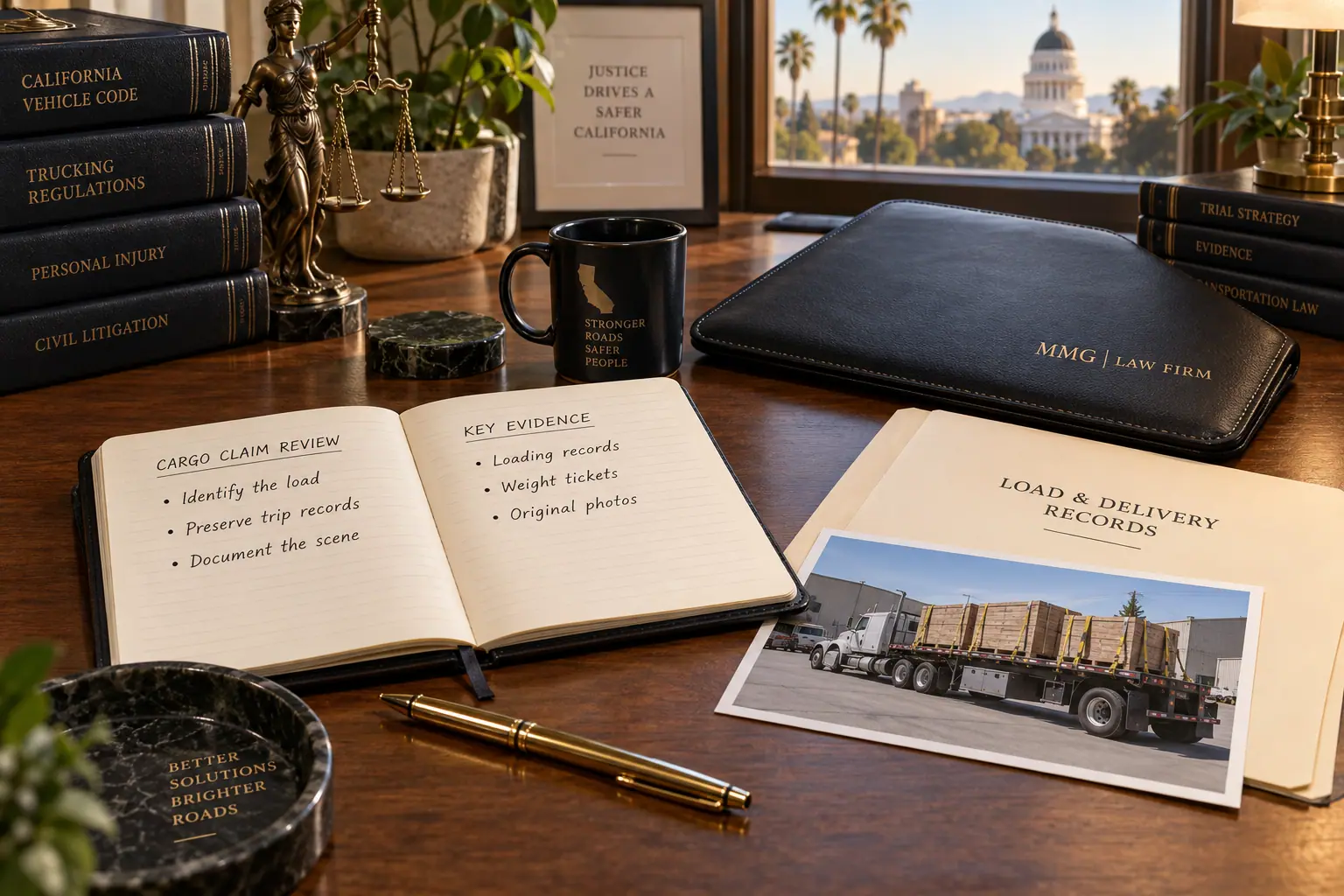
Identify the load
What was on the truck, and how was it loaded?
Preserve the records
Secure weight tickets, shipping documents, and photos.
Establish the sequence
Reconstruct what happened, step by step.
Three different cargo questions

Overloading
What did the vehicle and load weigh?

Shifting loads
Did movement affect vehicle control?

Falling cargo
When and where did the material fall?

Cargo on the road after impact does not prove it caused the crash.
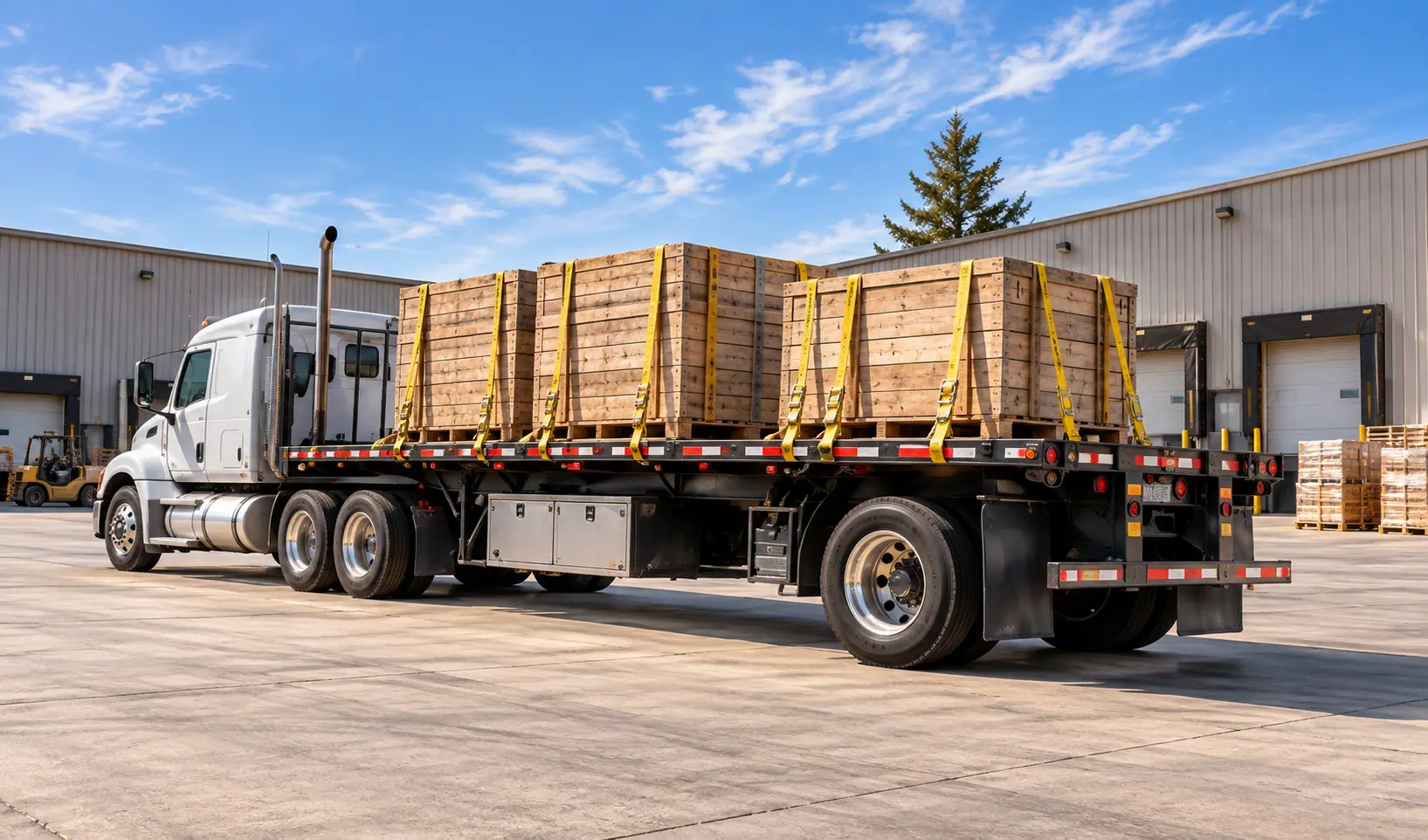
When the load becomes part of the crash
Cargo can create danger without the truck striking another vehicle directly. A shifting load may affect control, falling freight can hit someone or obstruct traffic, and an improperly loaded truck may be involved in a rollover or a chain-reaction collision.
The key questions are what the truck carried, how it was loaded and secured, and whether a loading problem contributed to the crash. Cargo found on the road after impact does not, by itself, prove that it fell before the collision or caused it.
MMG Law Firm offers free case evaluations for California truck accident claims. Call (818) 539-7969 to discuss what happened, your injuries, and evidence that may need prompt preservation. You do not need to identify the loading company before contacting the firm.
Preserve evidence before it changes.
Original photos, loading records, and witness accounts may matter.
Explore evidence preservationOverloading, shifting loads, and falling cargo are different issues
Overloading: weight and vehicle limits
An investigation may examine total vehicle-and-load weight, axle loading, applicable limits, and any permit. A truck's appearance does not establish that it was overweight. Scale tickets, shipping records, vehicle specifications, and the actual load can provide a better foundation.
California weight rules involve more than a single statewide number. Axle configuration and spacing, the route, and applicable exceptions or permits may matter. Caltrans explains California truck weight limitations and oversize or overweight permits. A permit does not eliminate cargo-securement duties or establish that the truck was operated safely.
Shifting loads: distribution and movement
Cargo can move inside a trailer even if nothing falls onto the road. The investigation may consider load placement, restraint systems, the direction of movement, and how the truck was turning, braking, or traveling at the time.
Federal cargo rules address movement that adversely affects vehicle stability or maneuverability. See 49 CFR 393.100. Evidence must distinguish a load shift that contributed to a crash from movement caused by the impact itself.
Falling cargo: escape from the vehicle
Loose freight, building materials, equipment, or debris may create a hazard for people behind or beside the truck. Video, witness observations, and the location of items may help establish where the material came from and when it entered the roadway.
California Vehicle Code section 23114 generally requires vehicles to be constructed, covered, or loaded to prevent contents from escaping, subject to its exceptions and specific provisions. Read section 23114.
What do cargo-securement rules require?
For covered operations, federal standards address cargo containment and securement, including the systems and devices used to prevent dangerous movement. The requirements depend on the load; some commodities have specific rules. A generic strap count is not a reliable way to judge every shipment.
The FMCSA cargo-securement guide explains the general framework and commodity-specific standards. 49 CFR 393.106 addresses how articles must be immobilized or secured and includes requirements for items that can roll and for securement-system strength.
An investigator may examine restraints, attachment points, blocking or bracing, packaging, and the condition of the equipment. The right analysis depends on the actual cargo and applicable rules—not simply whether straps were visible in a photograph.
Federal and California requirements need to be evaluated for the particular vehicle and operation. A regulatory violation may be relevant evidence, but the connection to the collision and injuries still matters.
Must drivers check the load during a trip?
For drivers covered by the cargo-check requirements, federal rules call for an inspection within the first 50 miles and reexamination when duty status changes, after three hours of driving, or after 150 miles, whichever occurs first. Necessary adjustments are part of those duties.
There are important exceptions. These driver-check provisions do not apply to certain sealed vehicles that drivers have been ordered not to open, or loads arranged so inspection is impracticable. The exception does not answer every question about who loaded or secured the cargo. 49 CFR 392.9 contains the requirements and exceptions.
Trip records, stop information, inspection records, seal information, and loading instructions may help determine which requirements applied and what occurred.
Who may be responsible for improper loading?
The driver, motor carrier, shipper, warehouse, and loading contractor can have different roles. A familiar brand on a trailer does not identify every business involved.
- Driver or motor carrier: loading knowledge, securement duties, applicable checks, and decisions to operate may matter.
- Shipper, warehouse, or loading contractor: who actually placed, packaged, or secured the load, and whether a loading defect was apparent or concealed, may require review.
- Equipment owner or maintenance provider: a relevant failure involving a trailer, restraint, or attachment point may call for investigation of control and maintenance.
- Manufacturer or supplier: a suspected product defect requires its own evidence and legal analysis.
Responsibility is fact-specific. A company is not automatically liable because it owned the goods, and contracting out a task does not resolve every legal duty. Agreements, actual conduct, applicable law, and causation must be considered together. Read Trucking Company Liability.
Evidence that may explain the load
Useful evidence connects the shipment to the crash:
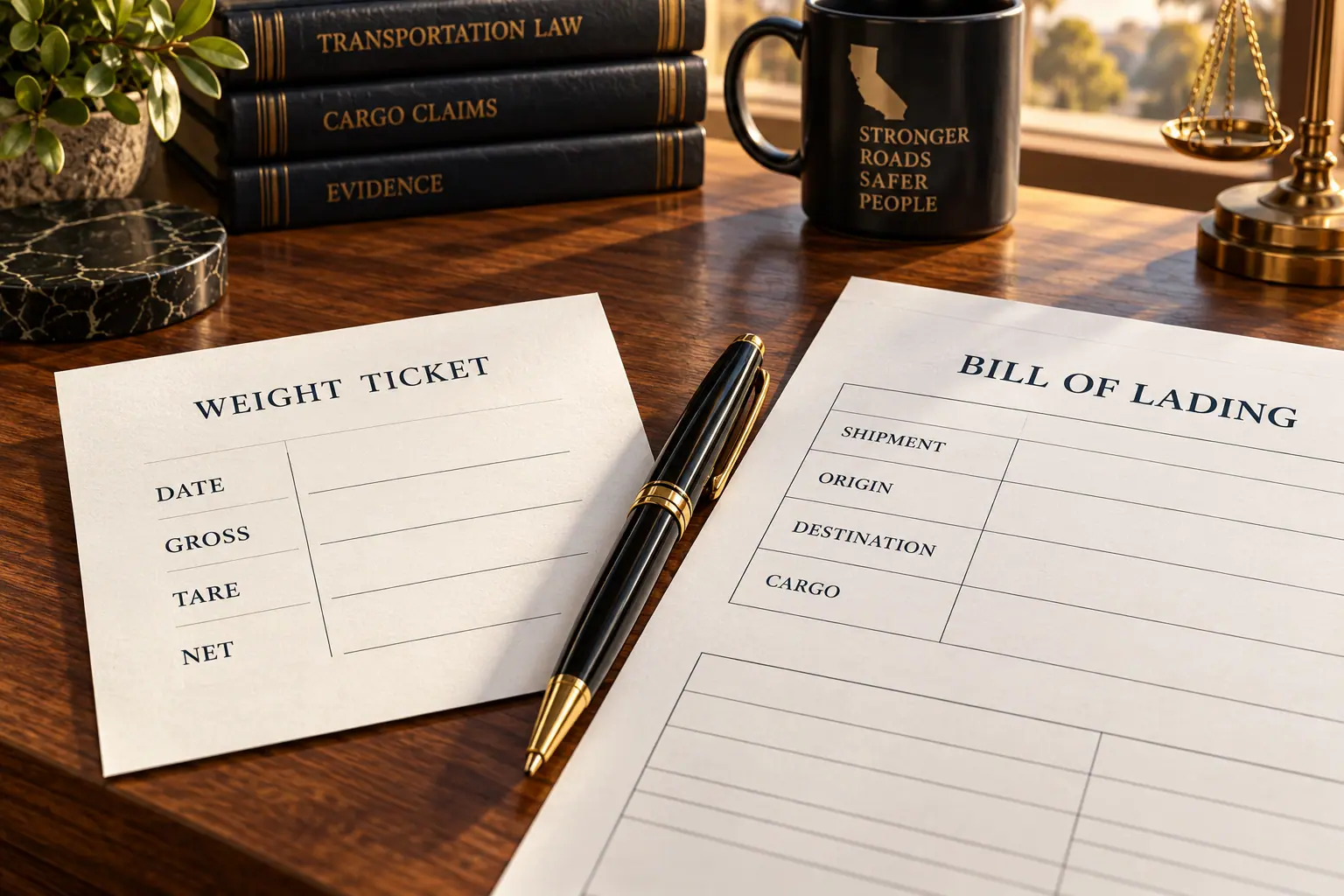
- Bills of lading and manifests: identify the shipment, described contents, and businesses involved; stated weights may need independent confirmation.
- Scale and weight records: help evaluate actual weight and axle distribution, including whether the record concerns the same load and stage of the trip.
- Loading photographs and dock video: may show placement, restraints, and who performed the work.
- Securement equipment and cargo: may help experts assess condition and failure, if safely preserved through appropriate arrangements.
- Driver and dispatch communications: may reveal loading instructions, concerns, stops, or changes during the trip.
- Scene video and witnesses: may establish whether cargo moved or fell before impact and how other vehicles reacted.
- Medical and work records: help document injuries, treatment, and financial losses.
Records can be spread across multiple businesses. Timely preservation requests may need to reach the carrier, loading facility, equipment owner, and other relevant custodians. A request does not itself authorize access to private systems or compel production. See Truck Accident Evidence Preservation.
What to do after a cargo-related crash
Prioritize safety and medical care. Report an immediate roadway hazard or emergency to emergency services. Do not enter traffic, climb onto the truck, move unstable freight, or handle unknown substances to collect evidence.
From a safe location, preserve any photographs or video you already have, the truck's identifying information, witness details, and the crash report number. Write down what you observed: whether an item fell, where it came from, and what happened next. Separate your observations from assumptions.
Keep original files and insurer communications. If cargo has already been removed, tell the attorney what you know about the cleanup, storage, or disposal. Other evidence may remain. For broader practical guidance, see What to Do After a California Accident.
COMMON QUESTIONS
Common questions about overloaded trucks and cargo claims
MORE ANSWERS IN OUR RESOURCESPotentially. A claim may involve falling cargo or a reaction to a roadway hazard rather than direct truck contact. Identifying the source, proving the sequence, and connecting negligence to the injuries are essential. Separate insurance requirements may also need review.
The spill alone does not establish that insecure cargo caused the initial crash. Investigators should determine when the movement occurred and whether it contributed to any injuries or subsequent collisions.
No. A seal may affect a driver’s inspection obligations, but the loading process, knowledge, applicable duties, and other parties’ conduct still require analysis. It does not automatically establish or eliminate a claim.
Photographs, partial identifying numbers, video, shipment markings, and witness information may help. You can contact MMG with incomplete information. Do not pursue the truck or put yourself at risk to identify it.
Prompt review helps address evidence that may change or disappear. Lawsuit deadlines and any government-claim requirements are separate from evidence retention. Read California Accident Claim Deadlines and obtain advice about your particular circumstances.
Depending on the facts and law, a claim may address medical expenses, lost earnings, future needs, and other recoverable losses. The size of the load or company does not determine case value. See Compensation Available After an Accident.
The evaluation is free. MMG advances case expenses, and contingency rates vary by case stage as explained in the written agreement. No recovery means no attorney fees or case expenses owed to MMG. Medical bills, liens, and other third-party obligations are separate. Read Attorney Fees and Case Costs.
Talk with MMG about what happened
You do not need to know the load's weight or identify every responsible business before calling.
PEOPLE.
EVIDENCE.
A SAFER CALIFORNIA.
You do not need to know the load's weight or identify every responsible business before calling. Start with the location, what you saw, and how you were injured. A consultation can address possible claims, evidence preservation, fees, and next steps.
Call (818) 539-7969 or request a free case evaluation. Phone and video consultations are available. Visits to 100 W Broadway, Suite 540, Glendale, are by appointment.
Explore Truck Accident Lawyer for the broader claims process. This page provides general information; contacting the firm does not by itself establish an attorney-client relationship.
Evidence to preserve
Bring what you already have.
Tell your attorney about cleanup or cargo disposal.
Do not enter traffic or handle unstable cargo.
Three different cargo questions
Overloading
What did the vehicle and load weigh?
Shifting loads
Did movement affect vehicle control?
Falling cargo
When and where did the material fall?
Cargo on the road after impact does not prove it caused the crash.
Useful references
Who handled the load?

Driver or carrier
Applicable checks and operating decisions.

Shipper or loading contractor
Who placed and secured the cargo?

Equipment provider
Relevant condition and maintenance.
Involvement alone does not establish liability.