
CALIFORNIA TRUCK ACCIDENT RESOURCES
California Truck Accident Case Results
Understand the evidence behind a trucking outcome.
PEOPLEANSWERSA SAFER TOMORROW

No outcomes currently approved for publication.
No settlements, verdicts, or client case examples are listed at this time.
The facts behind a trucking result.
A meaningful case example explains the parties, evidence, injuries, and the firm’s role.
01
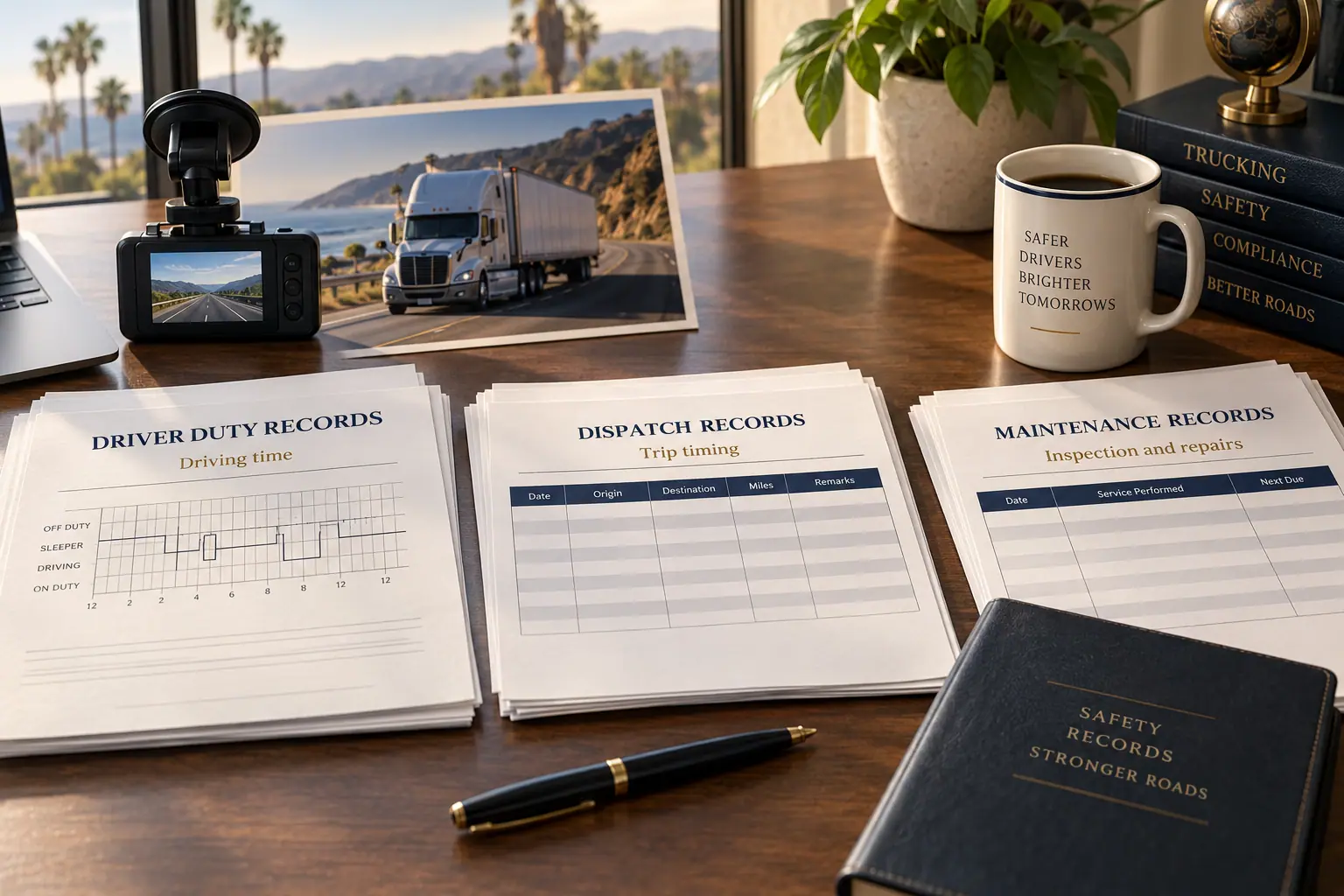
Different records answer different questions.
Duty records, vehicle data, dispatch records, and maintenance records serve different purposes.
- Duty recordsDriving time and driver activity.
- Vehicle and dispatch dataTrip details and operational records.
- Maintenance recordsInspection and repair history.
02
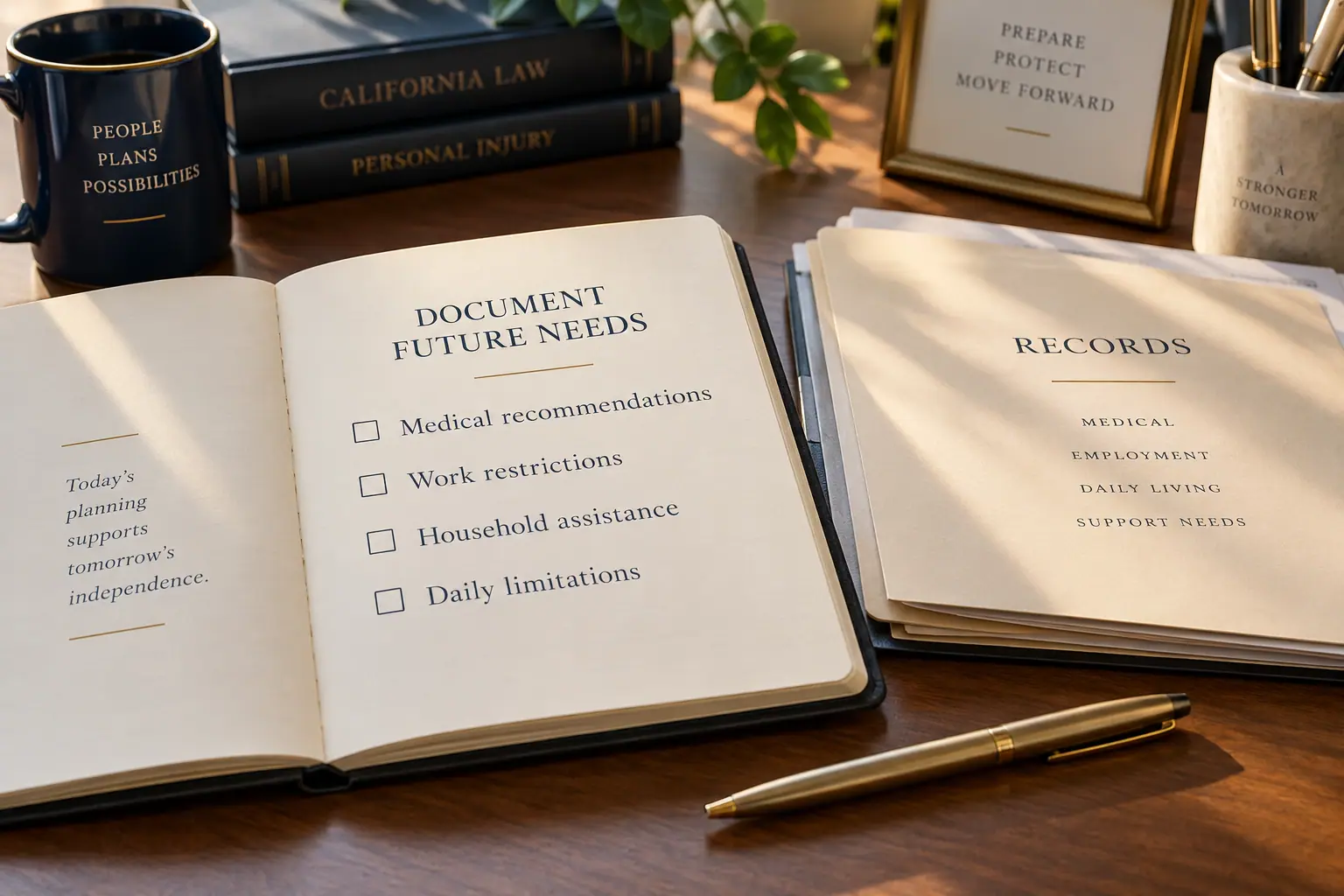
Serious injuries need supported future-loss evidence.
Medical recommendations, work restrictions, assistance needs, and daily limitations matter.
- Medical recommendationsTreatment and ongoing care needs.
- Work restrictionsChanges in work and job duties.
- Assistance needsIn-home or external support.
- Daily limitationsEffects on daily living and independence.
Read an outcome with context.
An outcome is more meaningful when you understand what the evidence shows and each party’s role.
Settlement
Resolves a dispute through an agreement. It is not necessarily an admission of responsibility.
Verdict
Follows trial and is not necessarily the final amount collected.
Net recovery
What remains for the client after fees, case expenses, and any applicable obligations.
Understand the evidence behind a trucking outcome
A commercial-truck accident result deserves more context than a dollar amount. Who operated the truck? What records supported responsibility? How were serious injuries and future needs documented? What did the law firm actually do?
MMG does not currently have truck accident outcomes approved for publication on this page. No settlements, verdicts, commercial-defendant case histories, or client examples are listed at this time. This guide explains what to look for when evaluating a trucking result and what to ask about relevant experience.
Request a free case evaluation or call (818) 539-7969. You can contact MMG before every record is ready.
Every case depends on its facts and applicable law. Past results do not guarantee or predict another outcome.
Published truck accident outcomes
There are currently no approved outcomes to display. Verified results and detailed case examples will be linked here when the outcome, MMG's role, and the permitted public details are confirmed.
A public results page cannot, by itself, establish an attorney's experience with a particular carrier, commercial defendant, or injury. Ask about the attorney's direct role in comparable matters. Confidentiality may limit the details that can be shared.
What a meaningful trucking case example should explain
- The collision: truck type, general circumstances, and the facts relevant to the claim.
- The commercial parties: the roles of the driver, carrier, vehicle owner, or other identified defendants, without implying that every business involved was responsible.
- The issues in dispute: responsibility, injury causation, regulatory applicability, coverage, or damages.
- The evidence: which driver records, video, vehicle information, maintenance documents, or other records mattered, and what they actually supported.
- Serious injuries and future needs: supported treatment, work limitations, and lasting effects, without unnecessary private medical information.
- MMG's role: the specific representation, investigation, negotiation, litigation, or trial work performed.
- The resolution: settlement or verdict, date, amount context, and any later development affecting how the result should be understood.
A result involving several injured people or defendants should identify that context. A headline total should not be presented as one person's recovery unless it is.
Commercial defendants: identify the role before drawing conclusions
The name on a trailer, a business logo, or a driver's description may be a starting point, but it is not a complete determination of legal responsibility. Relevant questions include who operated the vehicle, who employed or contracted with the driver, who owned the equipment, and who performed the work connected to the alleged harm.
A useful case example explains the connection between a commercial party's conduct and the claim. Depending on the facts, issues might concern driving, supervision, maintenance, loading, or another activity. Liability for a broker, shipper, repair business, or manufacturer requires its own factual and legal analysis; association with the trip alone is not enough.
FMCSA's free Company Snapshot provides company identification, cargo information, inspection summaries, crash data, and a safety rating when available. It can help identify a carrier and organize questions. It is not a verdict, a guarantee of complete records, or proof of fault in your collision. Explore FMCSA company safety records
Trucking evidence: different records answer different questions
Driver duty records and supporting documents. For operations subject to the applicable federal requirements, records of duty status and trip-related documents can help examine a driver's work schedule. FMCSA lists dispatch records, trip documents, receipts, fleet communications, and payroll-related records among supporting-document categories. These records concern duty time; they are not all direct measurements of vehicle speed or braking.
Video, vehicle data, and dispatch communications. Depending on the vehicle and system, available information may help establish movements, timing, or communications. A truck does not necessarily record or retain every detail a claimant needs. The data source and its limitations matter.
Maintenance and cargo records. Inspection, repair, loading, or securement information may be relevant when the facts raise those issues. Their existence does not prove a defect caused the crash.
Crash records. A carrier's accident register serves a different purpose from a police report or a complete litigation file. FMCSA's Safety Planner describes a three-year register requirement for crashes meeting the applicable definition. Not every road incident falls within that definition. Read the official accident-register guidance
Preserve evidence early—retention periods are not claim deadlines
FMCSA states that covered motor carriers retain records of duty status and supporting documents for six months. That does not mean every kind of trucking evidence is retained for six months, or that a person has six months to file an injury claim. Video and other records may become unavailable sooner, depending on the circumstances.
Discuss evidence preservation promptly. Keep your own photographs, report information, correspondence, and records in their original form when possible. Do not alter records or attempt to access a carrier's systems yourself. A lawyer can assess appropriate preservation requests and legal procedures.
Serious injuries: explain future needs with evidence
The severity of an injury is not established by the size of the truck or by a result in another case. A meaningful outcome summary explains the supported effects of the injuries and the evidence used to evaluate them.
Relevant information may include necessary treatment, rehabilitation recommendations, restrictions on work, changes in earning ability, assistance with household tasks, and daily limitations. Future medical care and economic losses require a supported assessment; they should not be assumed or calculated from a published settlement headline.
Ask whether a case example describes future needs, how those needs were supported, and whether unresolved medical or reimbursement obligations affected the final distribution. Treatment decisions belong with qualified healthcare professionals.
Settlement, verdict, and net recovery
A settlement resolves a dispute through an agreement. Its release and payment terms matter. A settlement is not necessarily an admission of responsibility by a trucking company.
A verdict follows trial and is not necessarily the final amount collected. Later proceedings or collection issues may affect the ultimate recovery. A reported amount should distinguish an agreement, verdict, payment collected, and client net proceeds.
Attorney fees, case expenses, and applicable medical reimbursement claims or other obligations may affect net recovery. Which deductions apply depends on the individual matter. Ask for a proposed distribution and an explanation of any unresolved obligations before making a settlement decision.
MMG's contingency rates vary by case stage and are explained in the written agreement. MMG advances case expenses without an upfront payment. If there is no recovery, no attorney fees or case expenses are owed to MMG. Medical bills and other third-party obligations are separate.
Questions to ask about trucking experience
- Have you handled matters involving a commercial carrier or circumstances like these, and what was your role?
- What information would help identify the correct commercial parties?
- Which records might need early preservation, and how would that be addressed?
- How would supported future medical and work losses be evaluated?
- What factual or coverage issues could limit a recovery?
- Who would handle the case, and how would I receive updates?
- How do fees and expenses change at different case stages?
Truck accident results: common questions
No. A company's involvement does not establish responsibility, insurance available for a particular loss, or a guaranteed recovery. Evidence, injuries, coverage, and applicable law must be assessed individually.
No. The rule's applicability, the facts, causation, and the legal effect of a violation require analysis. A case example should explain how a record or rule related to the collision rather than use a violation as a substitute for the full analysis.
No. Diagnoses alone do not make claims equivalent. Treatment needs, functional limitations, work effects, proof, available payment sources, and other circumstances differ.
MMG currently has no truck outcomes approved for publication on this page. Invented case histories or another firm's results would not demonstrate MMG's experience. Ask about relevant representation directly.
No outcome can be guaranteed. California's State Bar rules caution that even accurate achievements can mislead when they create unjustified expectations without the relevant factual and legal context. Read State Bar Rule 7.1 and its comments
Preserve relevant evidence early
Key records can help us understand your situation and answer your questions.
Discuss carrier records and preservation procedures with a lawyer. Keep your own records in their original form.
Questions to ask MMG