
Scooter Accidents · Personal Injury
Scooter Accident Lawyer in California: Who Pays?
E-scooter crashes do not fit the usual insurance boxes. Here is who can be held liable in California, and the deadlines that decide your case.
Mihran M. Ghazaryan··7 min read
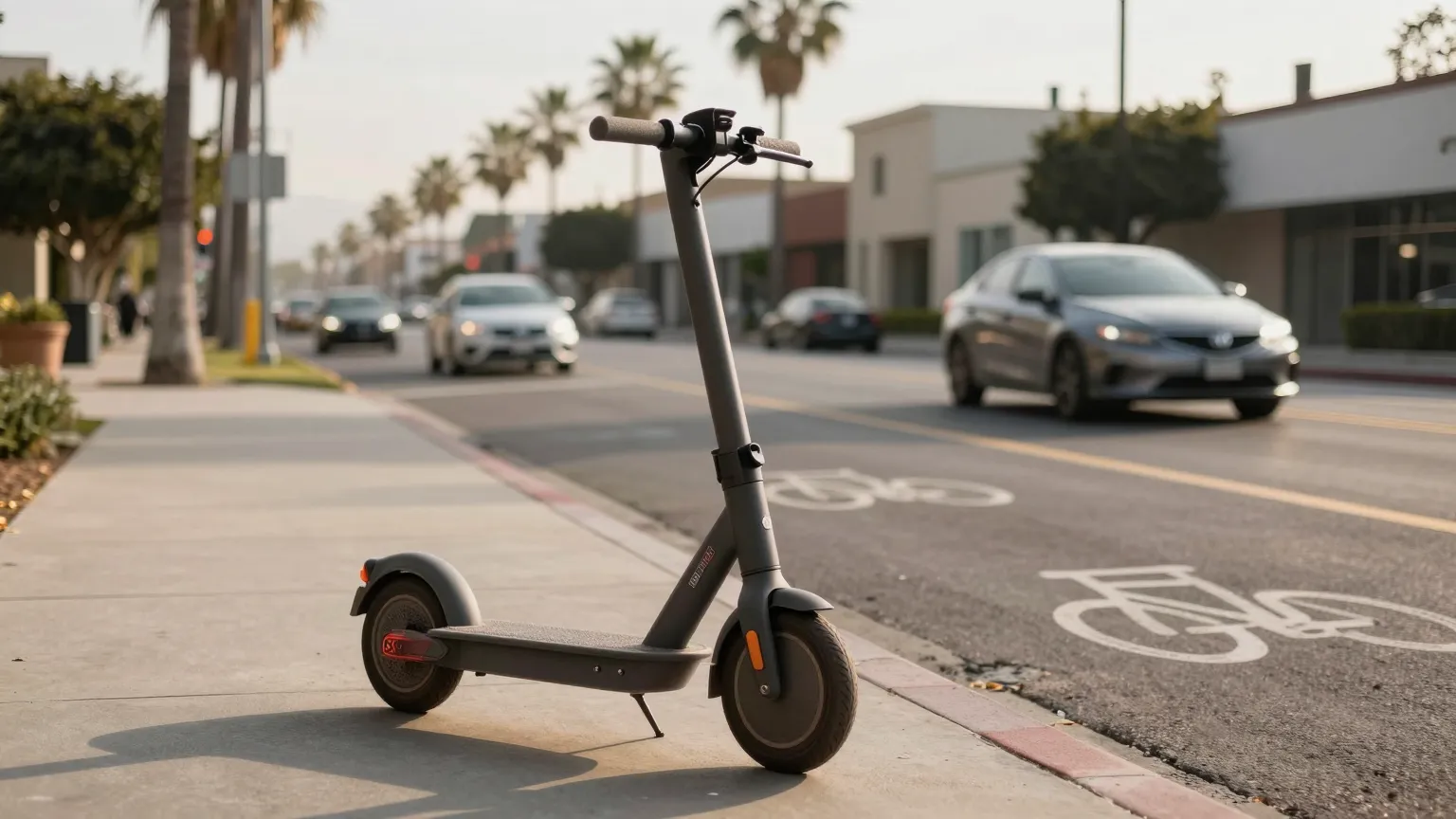
Rented scooters changed how California cities move — and they created a category of injury claim that fits neatly into none of the old boxes. You aren't a driver, you aren't quite a pedestrian, and the machine that threw you belongs to a company whose app you tapped "agree" on without reading.
If you were hurt riding an e-scooter, or a scooter rider hit you, here is how liability actually works in California and what a scooter accident lawyer looks at first.
Why Scooter Claims Are Harder Than Car Claims
In a typical car crash, there is one clear defendant with one clear insurance policy. Scooter cases rarely look like that. Depending on how the crash happened, the responsible party might be a driver, the rental company, the scooter's manufacturer, a maintenance contractor, or the city that let a pothole sit for a year.
Three features make these claims distinctive:
- There is often no policy on the scooter itself. Personal auto policies usually exclude motorized scooters, and renters or homeowners policies frequently exclude motor vehicles too. Coverage has to be found somewhere else.
- The rental agreement is a legal document. Scooter-share user agreements typically include liability waivers and arbitration clauses that you accepted electronically before your first ride.
- The evidence disappears fast. Ride telemetry, maintenance records, and the scooter itself are controlled by the company, and the machine may be back in circulation within hours.
That combination is why the first days after a scooter crash matter more than most people realize.
California's Motorized Scooter Rules
California regulates motorized scooters under the Vehicle Code, and those rules shape every fault argument in your case. The key provisions, found at leginfo.legislature.ca.gov:
- Riders must have a valid driver's license or instruction permit (Vehicle Code § 21235).
- Helmets are required for riders under 18. California removed the adult helmet mandate for motorized scooters in 2019 — adults are not legally required to wear one.
- Sidewalk riding is prohibited, except as needed to enter or leave adjacent property.
- Scooters generally may not be operated on roadways with a speed limit above 25 mph, unless you are within a Class II or Class IV bikeway (some local ordinances extend this to 35 mph).
- No passengers, and the scooter must be ridden in a bike lane where one is available.
A violation does not end your case. California follows pure comparative negligence, meaning your recovery is reduced by your share of fault but never eliminated by it — even a rider who was 70% responsible can recover 30% of their damages. That principle is explained further in our post on comparative negligence in California.
The helmet argument
Because adults aren't required to wear helmets, an insurer cannot call a bare head an automatic violation. They will still raise it, arguing that a head injury would have been less severe with protection. It becomes a contested damages issue, not a bar to your claim.
Who Can Be Held Liable
Determining the defendant is the real work in an electric scooter accident case.
- A negligent driver. Most serious scooter injuries involve a car — a right hook, a door swung open, a driver turning across a bike lane. This is the cleanest path to recovery, because the driver carries liability insurance. The analysis mirrors a bicycle accident claim.
- The scooter company. If a brake failed, a stem snapped, or a scooter that had been reported damaged was left in service, the rental operator may be liable for negligent maintenance. California's Civil Code § 1668 bars contracts that exempt a party from responsibility for its own gross negligence, so a waiver is not automatically the end of the conversation.
- The manufacturer. A genuinely defective component can support a strict product liability claim, which does not require proving anyone was careless — only that the product was defective and the defect caused the harm.
- A public entity. Crashes caused by a dangerous condition of public property — an unrepaired sinkhole, a missing grate cover, a badly designed bike lane — can be brought against a city or county, but under much shorter deadlines (see below).
- A property owner. A scooter that goes down on a poorly lit or badly maintained private walkway can raise premises liability issues.
Deadlines You Cannot Miss
California's statute of limitations for personal injury is generally two years from the date of injury. That is the outer boundary, not a target.
The critical exception: if a government entity is potentially responsible, you must first present an administrative claim to that entity — generally within six months of the incident. Miss it, and the claim against the public entity is usually gone regardless of how strong it was. We cover the mechanics in our guide to the California Tort Claims Act.
Different facts can shorten or lengthen these periods. Have your specific dates reviewed by a lawyer rather than relying on a general rule.
What to Do After a Scooter Crash
The steps that most improve a claim are the ones taken in the first 48 hours:
- Get medical attention the same day. Gaps in treatment are the single most common argument insurers use to devalue an injury.
- Photograph the scooter — including its ID number — plus the roadway, the hazard, and your injuries.
- Screenshot your ride in the app before the record becomes harder to reach, and save the trip receipt.
- Report the crash to police and, separately, to the scooter operator through the app.
- Get names and numbers for every witness. Bystanders rarely stay findable.
- Do not give a recorded statement to any insurer or company representative before speaking with a lawyer.
What a Scooter Injury Claim Is Worth
Any lawyer who quotes a number before reviewing your medical records is guessing. Value is built from medical expenses (past and projected), lost income and lost earning capacity, pain and suffering, and, where a defendant's conduct was especially egregious, potentially punitive damages.
Realistically, the range is enormous. A sprained wrist that resolves in six weeks and a traumatic brain injury requiring lifelong care are not the same case. What actually moves the number is documentation: consistent treatment, a clear causation story, and proof of how the injury changed your work and your daily life. For severe outcomes, our catastrophic injury practice covers what long-term damages analysis involves.
Frequently Asked Questions
How much is a scooter accident case worth?
There is no formula and no honest average. Value depends on the severity and permanence of your injuries, your total medical costs, your income loss, the clarity of fault, and the insurance available. A lawyer can give you a realistic range only after reviewing your records — be skeptical of anyone who promises a figure up front.
How soon should I contact a lawyer after a scooter accident?
As soon as you are medically stable. Ride data, maintenance logs, and surveillance footage are often overwritten within weeks, and a preservation letter has to go out before that happens. If a public entity may be at fault, the six-month claim deadline makes early contact essential.
Can I sue the scooter company if the brakes failed?
Possibly. Waivers in rental agreements do not shield a company from gross negligence under California Civil Code § 1668, and a defective component can support a product liability claim against the manufacturer or distributor regardless of what the user agreement says. Many agreements also contain arbitration clauses, which affect where your case is heard — an issue worth reviewing early.
Does my car insurance cover me on a scooter?
Usually not for the scooter itself, since most auto policies exclude motorized scooters. However, your uninsured/underinsured motorist coverage may still apply if you were struck by a driver who fled or had no insurance. Policy language varies significantly — have yours read before assuming either way.
I wasn't wearing a helmet. Does that ruin my claim?
No. Adults are not required to wear helmets on motorized scooters in California. An insurer may argue it contributed to the severity of a head injury, and under pure comparative negligence that could reduce your recovery — but it does not bar your claim.
What if a scooter rider hit me while I was walking?
You may have a claim against the rider personally, and in some circumstances against the scooter company. Pedestrian-versus-scooter collisions are handled much like other pedestrian accident claims, though locating coverage takes more work. Note that the California DMV does not require registration or insurance for motorized scooters, which is precisely why identifying every possible source of recovery matters.
Talk to a California Scooter Accident Lawyer
MMG Law Firm represents injured riders and pedestrians across California. The consultation is free and carries no obligation, and injury cases are handled on a contingency fee — you owe no attorney's fee unless we win. If a scooter crash has left you with medical bills and unanswered questions, contact us to have your situation reviewed.