
dog bites · personal injury
Dog Bite Lawyer California: Strict Liability Rules
California dog owners are liable from the very first bite. Here is how Civil Code 3342 works, what defenses insurers raise, and how to protect your claim.
Mihran M. Ghazaryan··6 min read
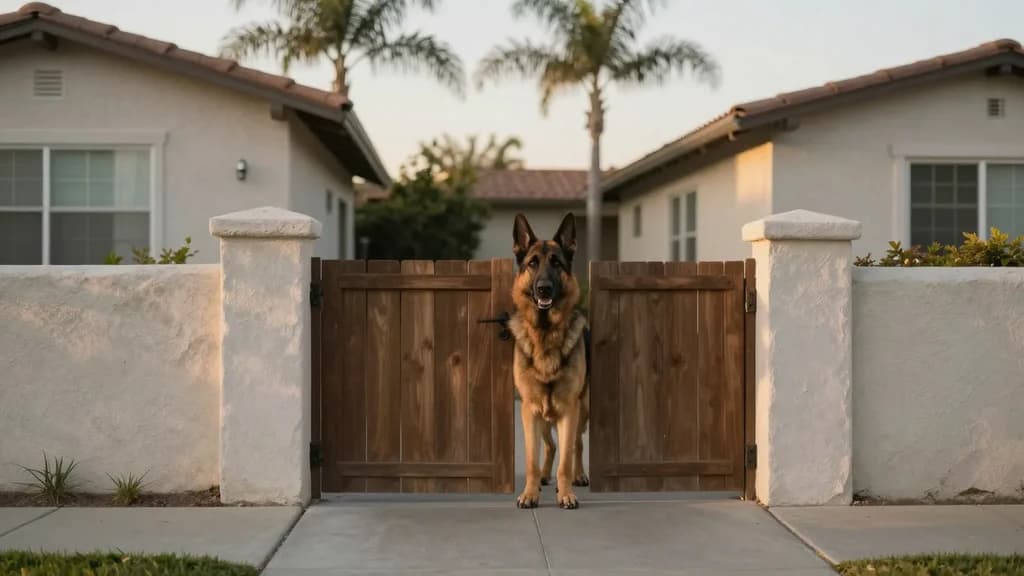
A dog you have never met lunges, and in two seconds your day turns into an emergency room visit, a rabies question, and an awkward conversation with a neighbor who insists "she's never done that before." In California, that last sentence carries almost no legal weight — and understanding why is the key to your claim.
California Is a Strict Liability State for Dog Bites
Most states start with the "one bite rule," which lets an owner off the hook the first time their dog injures someone. California rejected that approach. Under California Civil Code section 3342, a dog owner is liable for damages when their dog bites a person, regardless of the dog's former viciousness or the owner's knowledge of it.
That means you generally do not have to prove the owner was careless. You need to show three things:
- The defendant owned the dog.
- The dog bit you.
- You were in a public place or lawfully on private property — including the owner's own property, if you were invited or had a legal right to be there (a mail carrier or delivery driver, for example).
This is a much lighter burden than an ordinary negligence case, and it is why a dog bite lawyer in California will usually push the claim on strict liability first and keep negligence theories as a backup.
What the Statute Does Not Cover
Section 3342 applies to bites. If a large dog knocks you off a bicycle or bowls over an elderly relative without biting, you are outside the statute — but not out of options. Those cases proceed under general negligence (the owner failed to control the dog, violated a leash law, or ignored a known danger). California courts have long allowed recovery on that theory.
Exceptions and Defenses You Should Know About
Strict liability is powerful but not absolute. Common defenses include:
- Trespassing. If you were not lawfully on the property, the statute does not apply.
- Provocation. Teasing, hitting, or hurting the dog can reduce or defeat recovery.
- Comparative fault. California uses pure comparative negligence, so your compensation can be reduced by your own share of responsibility. Our overview of comparative negligence in California explains how that math works.
- Police and military dogs. Bites by a governmental agency's dog carrying out law enforcement duties are excluded under specific conditions.
- Veterinary and kennel workers. Under California case law, professionals who accept custody of a dog generally assume the risk of being bitten on the job — though a workers' compensation claim may still apply.
Who Actually Pays a Dog Bite Claim
This surprises most clients: the money rarely comes out of the owner's pocket. Dog bite claims are typically paid by:
- The owner's homeowners insurance liability coverage
- Renters insurance, if the owner rents
- An umbrella policy for larger claims
- A commercial policy, if the bite happened at a business or the dog belonged to a business
Watch for gaps. Some policies exclude specific breeds or exclude the dog entirely after a prior bite. If there is no insurance, a landlord may share liability where they knew a dangerous dog was on the premises and had the power to remove it.
What to Do After a Dog Bite in California
The first hours shape the claim more than anything that happens later.
- Get medical care. Puncture wounds carry a high infection risk, and untreated bites are the most common reason a strong claim loses value.
- Report the bite to your local animal control or health department. California requires animal bites to be reported so the dog can be observed for rabies, and the report becomes an official record of the incident.
- Identify the owner and ask for their name, address, insurance, and the dog's vaccination records.
- Photograph everything — wounds before they heal, torn clothing, the location, and any fence, gate, or broken leash.
- Get witness contact information before people leave.
- Keep every bill and record, including mileage to appointments and days missed from work.
Avoid giving a recorded statement to the owner's insurer before you understand the full extent of your injuries.
Deadlines: Do Not Lose the Claim to the Clock
California's statute of limitations for personal injury, including dog bites, is generally two years from the date of the injury (Code of Civil Procedure section 335.1). Two critical variations:
- If the dog belonged to a government entity, you generally must file an administrative claim within six months — a deadline that ends many otherwise valid cases.
- If the victim is a minor, the deadline is usually tolled, so the two-year period typically begins when the child turns 18. Do not rely on that without confirming your specific facts.
Because deadlines depend on details, confirm yours with an attorney rather than assuming.
What Dog Bite Compensation Looks Like
There is no calculator and no guaranteed number. What a claim is worth depends on the severity of the wound, whether scarring is permanent and visible, where on the body it occurred, and how much documented treatment and time off work is involved. Recoverable damages typically include:
- Emergency care, surgery, and future scar revision or reconstructive procedures
- Lost wages and reduced earning capacity
- Pain, suffering, and emotional distress, including PTSD and fear of dogs, which is common in children
- Property damage, such as glasses or a phone destroyed in the attack
Facial scarring in a child and a puncture wound that heals cleanly on an adult's forearm are not comparable cases. Be skeptical of any source promising a specific settlement figure.
Frequently Asked Questions
Is California a strict liability state for dog bites?
Yes. Civil Code section 3342 makes owners liable for bites without requiring proof the dog had bitten before or that the owner was negligent, as long as the victim was in a public place or lawfully on private property.
Can you sue for a minor dog bite in California?
You can. The strict liability statute does not require a severe injury. Whether it is worth pursuing depends on your medical costs, scarring, and time missed from work — a consultation costs nothing and will tell you quickly.
Does homeowners insurance cover a dog bite in California?
Usually, yes. Most homeowners and renters policies include liability coverage for dog bites, though some carriers exclude certain breeds or exclude a dog with a bite history. The policy language controls.
Do doctors have to report dog bites in California?
California regulations require animal bites to be reported to the local health officer, and treating medical providers are among those with reporting duties. The purpose is rabies control, not blaming you — and the resulting record often helps your claim.
What happens to the dog after a bite?
The dog is typically quarantined for observation. Separately, animal control may hold a hearing to declare a dog "potentially dangerous" or "vicious," which can impose confinement requirements or, in severe cases, more serious consequences for the owner.
Talk to a California Dog Bite Lawyer
If a dog bit you or your child, MMG Law Firm offers a free, no-obligation consultation to walk through your options — and injury cases are handled on contingency, so there is no fee unless we win. We represent dog bite and other personal injury clients across California. Contact us to get your questions answered. For general information about the court process, the California Courts also maintain a public self-help center.
This article is general information about California law, not legal advice for your situation. Deadlines and defenses turn on specific facts — consult an attorney about your own case.