
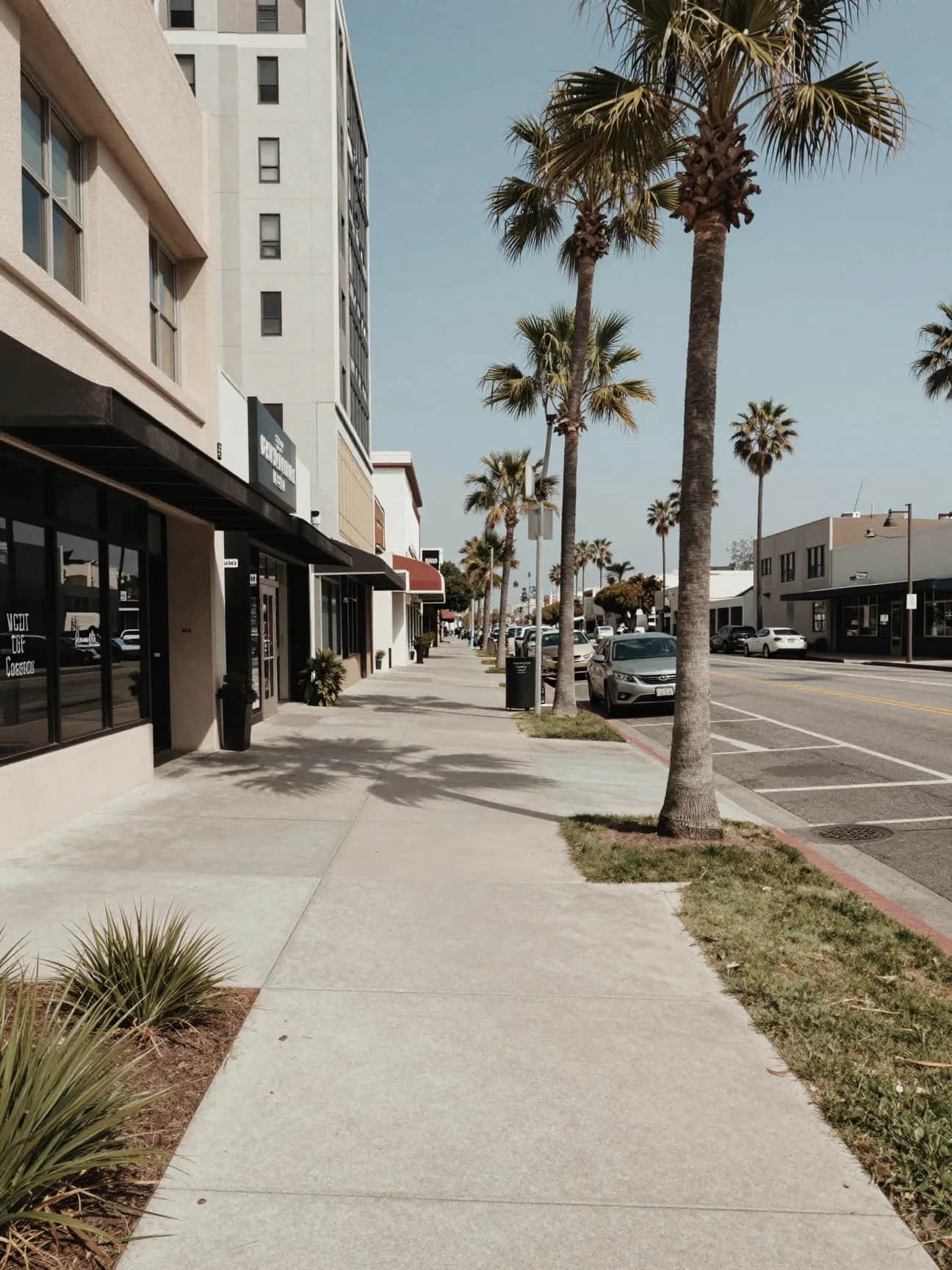
Truck Accidents matters in San Francisco
Truck crashes in San Francisco rarely look like the wide-open interstate pileups people picture. They happen where heavy commercial vehicles are forced into tight, congested, hilly streets they were never built for. A tractor-trailer threading the Bay Bridge approach, a 53-foot rig merging onto Highway 101 near the Central Freeway, or a delivery box truck double-parked across a SoMa bike lane all create the conditions for serious harm.
When a vehicle that may weigh 80,000 pounds collides with a 4,000-pound car, the physics are unforgiving. Understanding why these crashes cluster in certain corridors, and which rules the trucking company was supposed to follow, is the first step toward holding the right parties responsible.
Why truck crashes happen in San Francisco
The city's geography concentrates commercial traffic into a few overloaded arteries:
- The Highway 101 and Interstate 280 corridors funnel regional freight through the peninsula, with abrupt merges and stop-and-go congestion near the 101/280 interchange.
- The Bay Bridge approach and the surface streets feeding it back up constantly, tempting fatigued drivers to push through.
- Dense downtown, SoMa, and Financial District streets see a relentless stream of delivery trucks, sanitation vehicles, and beverage and construction haulers maneuvering in narrow lanes.
- Steep grades and blind intersections magnify any lapse in following distance or braking.
Driver fatigue, distraction, improperly secured loads, and inadequate training are common threads, and the company that hired and dispatched the driver often shares the blame.
The federal and state rules that govern trucks
Interstate carriers operating in San Francisco must follow the Federal Motor Carrier Safety Regulations. The FMCSA hours-of-service rules cap how long a driver can be behind the wheel, and electronic logging devices (ELDs) are supposed to record that time accurately. After a crash, the truck's ELD data, the engine control module or "black box," maintenance records, and dispatch logs can show whether the driver was over hours or the rig was poorly maintained. Preserving that evidence quickly, before it is overwritten, can be decisive. Commercial trucks also carry far larger liability policies than ordinary cars, which is one reason carriers and their insurers fight hard.
Injuries and case types we handle
The weight disparity in a truck collision produces some of the most severe injuries we see, including:
- Traumatic brain injuries and spinal cord damage
- Multiple fractures and crush injuries
- Internal organ damage and serious lacerations
- Wrongful death claims for surviving families
These cases can involve the driver, the motor carrier, a leasing company, a maintenance contractor, or a cargo loader, and identifying every responsible party matters.
Compensation you may pursue
Under California law you may seek economic damages such as medical bills, future care, lost wages, and lost earning capacity, along with non-economic damages for pain, suffering, and diminished quality of life. We never promise a specific result or amount; the value of any claim turns on the facts, the severity of the injuries, and the available coverage. California follows pure comparative negligence, so even a partially-at-fault victim can recover, reduced by their share of fault.
Deadlines, the courthouse & how MMG Law helps
Most California personal-injury claims must be filed within two years of the crash under Code of Civil Procedure section 335.1, and waiting can mean losing key truck evidence. San Francisco cases are handled by the Superior Court of California, County of San Francisco, at the Civic Center Courthouse. MMG Law Firm is based in Glendale and represents injured people across California, including San Francisco. We handle most of the work remotely by phone, email, and a secure client portal, and we appear in court when your case requires it. Consultations are free and available in English, Armenian, and Russian, and we work on contingency, so there is no fee unless we win.
Our attorney
How Mihran M. Ghazaryan helps with truck accidents
Truck cases are won or lost in the first days, so Mihran M. Ghazaryan moves immediately to preserve the evidence — the electronic logging device, the driver's hours-of-service records, and the truck's onboard data — before it can be overwritten. He identifies every responsible party (driver, carrier, broker, and their separate insurers) and applies the federal motor-carrier rules that govern these cases, building the claim for the larger exposure a commercial policy carries.
Types of truck accidents we handle
Tractor-trailer and 18-wheeler crashes
Often involve fatigue, improper loading, or maintenance failures. We send a preservation letter immediately and pursue ELD and ECM data.
Delivery-truck and box-truck collisions
Last-mile delivery has driven a surge in inexperienced drivers under tight schedules. Liability often runs to the carrier, not just the driver.
Underride and override collisions
Catastrophic injury cases. Vehicle conspicuity, guard equipment, and applicable FMCSA standards all matter.
Damages
What compensation can cover
Every truck accident claim is different, but California law allows injured plaintiffs to seek several categories of damages. We build each one with documentation — medical records, wage statements, expert opinions — so nothing is left on the table.
Medical expenses
Emergency care, hospitalization, surgery, rehabilitation, and the future treatment your providers say you'll need.
Lost wages
Income you lost while recovering — and, where the injury affects your ability to work, diminished future earning capacity.
Pain and suffering
Compensation for physical pain, emotional distress, and the ways the injury has changed how you live day to day.
Property damage
Repair or replacement of your vehicle and other property damaged in the incident.
Out-of-pocket costs
Transportation to appointments, medical equipment, household help, and the other expenses an injury forces on you.
How we work
- 1
Free, no-pressure consultation
We listen first. We answer your questions. There is no fee for the initial conversation — and you decide whether to engage us at the end of it.
- 2
Investigation and evidence preservation
Police reports, scene photos, witness statements, vehicle data, surveillance video, medical records. The earlier we collect, the harder it is for the other side to reshape the story later.
- 3
Treatment, demand, and negotiation
We coordinate with your providers, document the full extent of damages — medical, lost income, pain — and present a demand backed by evidence. We push back firmly when an insurer lowballs.
- 4
Litigation when necessary
Most matters settle. When an insurer refuses to be reasonable, we file. Preparing every case as if it will be tried is what makes the settlement number move.
What to do right away
- Call 911 and request medical evaluation on scene.
- Photograph the truck — license plate, USDOT number, MC number, trailer markings.
- Get the trucking company's name, not just the driver's.
- Save any clothing or vehicle parts as evidence.
- Contact us before speaking with the trucking company's insurer or a 'rapid response' team.
The information on this website is for general information purposes only. Nothing on this site should be taken as legal advice for any individual case or situation. This information is not intended to create, and receipt or viewing does not constitute, an attorney-client relationship.
Deadlines that matter
Most California personal-injury claims must be filed within two years of the injury (Code of Civil Procedure §335.1). Miss the window and the court will almost always dismiss the case, no matter how strong it is.
Claims against government entities are much shorter — generally a written claim within six months (Government Code §911.2). Crashes involving city vehicles, public buses, or dangerous public-road conditions can fall under this rule.
Exceptions exist in both directions — discovery rules, minors, continuing violations, out-of-state defendants — so don't assume your deadline has passed or that you have time to spare. Call (818) 539-7969 and we'll tell you exactly where you stand.