
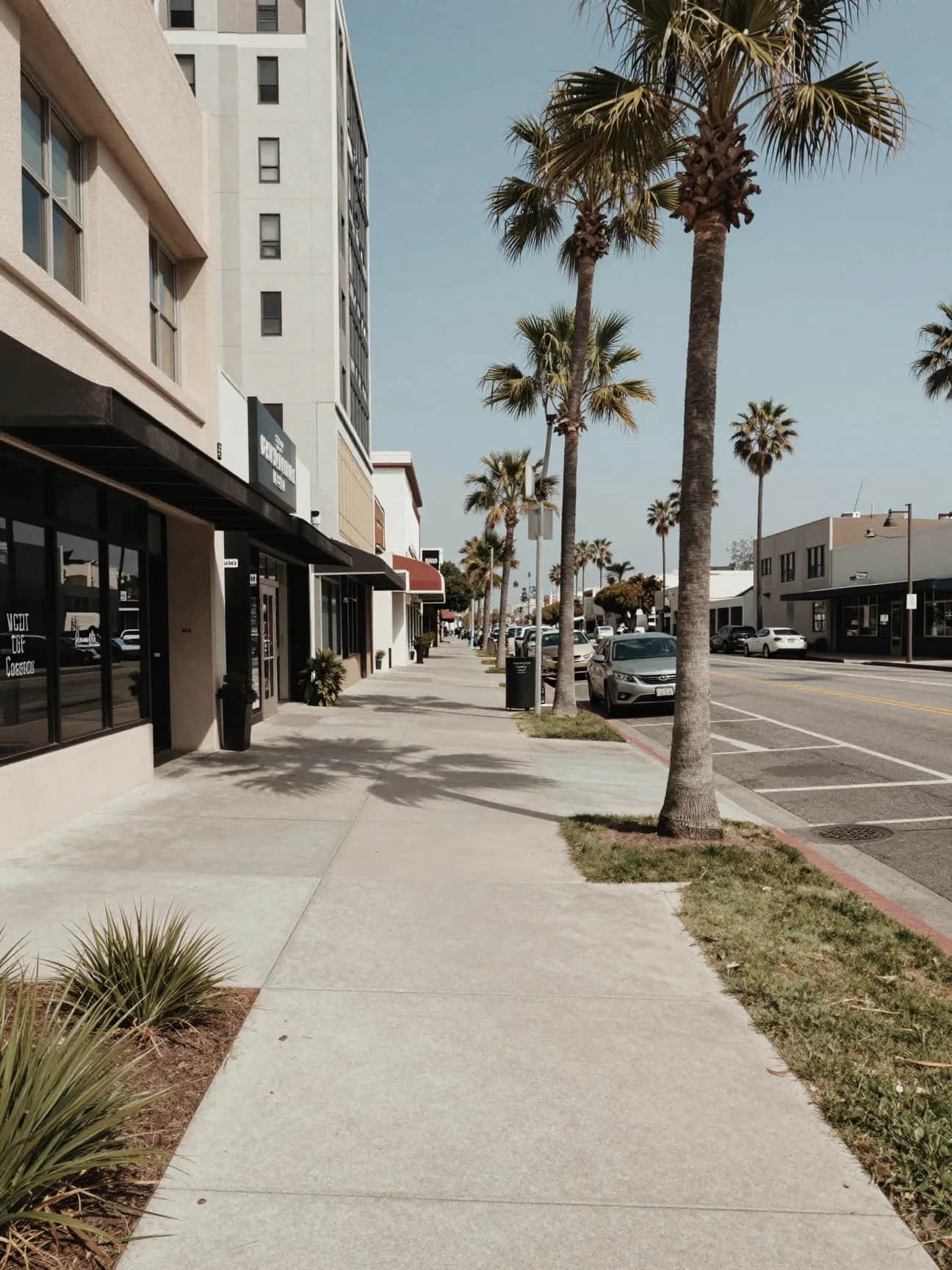
Uber & Lyft Accidents matters in San Francisco
Few cities rely on rideshare the way San Francisco does. Tech commuters in SoMa, tourists around the Marina and the waterfront, nightlife crowds in the Mission and downtown, and a steady stream of SFO airport runs keep Uber and Lyft vehicles on congested streets at all hours. That volume, mixed with heavy traffic, pedestrians, cyclists, and tight one-way grids, makes rideshare collisions a regular occurrence.
Rideshare crashes raise insurance questions ordinary accidents do not, because coverage shifts depending on the app's status. Knowing which policy applies is often the key to a full recovery.
Why rideshare crashes happen here
- Dense pickup and drop-off activity downtown and in SoMa, with drivers stopping in live traffic lanes
- Heavy SFO airport trips on crowded freeways and ramps
- Nightlife surges in the Mission, North Beach, and the Marina, often late at night
- Congested one-way streets, double-parked vehicles, and constant pedestrian and bicycle traffic
- Distracted driving as drivers watch the app, navigate, and locate riders
How rideshare insurance works in California
California law ties coverage to the driver's app status at the time of the crash. When a driver is on an active trip — a passenger is in the car or has been accepted — a commercial policy of at least $1 million in liability coverage generally applies. When the app is on but the driver has not yet accepted a ride, a lower contingent coverage applies. When the app is off, only the driver's personal auto policy is in play. Identifying the correct status and the correct insurer is one of the most important early steps, whether you were a passenger, another driver, a pedestrian, or a cyclist.
Common injuries and case types
- Whiplash, neck, and back injuries from sudden impacts
- Concussions and other head injuries
- Fractures and joint injuries
- Injuries to passengers, other motorists, pedestrians, and cyclists
- Claims involving disputed app status or multiple at-fault parties
What you may recover
Injured people in California may pursue economic damages — medical care, future treatment, lost wages, and reduced earning capacity — along with non-economic damages for pain, suffering, and disruption to daily life. Under pure comparative negligence, partial fault reduces but does not eliminate your recovery. Because multiple insurers may be involved, these cases can be complex, and no attorney can promise a specific amount; the value of any claim depends on its particular facts and evidence.
Deadlines and how MMG Law Firm helps
A California rideshare-injury lawsuit generally must be filed within two years under Code of Civil Procedure section 335.1. San Francisco cases are filed in the Superior Court of California, County of San Francisco, usually at the Civic Center Courthouse. MMG Law Firm represents rideshare-crash victims statewide from Glendale: we determine the driver's app status, identify every applicable Uber, Lyft, and personal policy, handle the paperwork and communication remotely, and appear in court when needed. Consultations are free, available in English, Armenian, and Russian, and we work on contingency — no fee unless we win.
Our attorney
How Mihran M. Ghazaryan helps with uber & lyft accidents
Uber and Lyft cases come down to which policy applies at the exact moment of the crash, and Mihran M. Ghazaryan maps that timeline precisely. He pulls the trip data, pinpoints the driver's app status, and pursues the up-to-$1M coverage that applies during an active ride — coverage adjusters won't volunteer. You work with the attorney untangling those layered policies, start to finish.
Types of rideshare accidents we handle
Passenger injury during an active ride
Uber's or Lyft's $1M policy is in force. The driver's personal policy is irrelevant to your recovery in most cases.
Driver as plaintiff (rideshare driver injured)
Uninsured/underinsured-motorist coverage from the platform applies during active periods. We make sure rideshare drivers know what they have.
Pedestrians and other vehicles struck by rideshare drivers
App-status windows determine which policy responds. Trip data is the central piece.
Damages
What compensation can cover
Every rideshare accident claim is different, but California law allows injured plaintiffs to seek several categories of damages. We build each one with documentation — medical records, wage statements, expert opinions — so nothing is left on the table.
Medical expenses
Emergency care, hospitalization, surgery, rehabilitation, and the future treatment your providers say you'll need.
Lost wages
Income you lost while recovering — and, where the injury affects your ability to work, diminished future earning capacity.
Pain and suffering
Compensation for physical pain, emotional distress, and the ways the injury has changed how you live day to day.
Property damage
Repair or replacement of your vehicle and other property damaged in the incident.
Out-of-pocket costs
Transportation to appointments, medical equipment, household help, and the other expenses an injury forces on you.
How we work
- 1
Free, no-pressure consultation
We listen first. We answer your questions. There is no fee for the initial conversation — and you decide whether to engage us at the end of it.
- 2
Investigation and evidence preservation
Police reports, scene photos, witness statements, vehicle data, surveillance video, medical records. The earlier we collect, the harder it is for the other side to reshape the story later.
- 3
Treatment, demand, and negotiation
We coordinate with your providers, document the full extent of damages — medical, lost income, pain — and present a demand backed by evidence. We push back firmly when an insurer lowballs.
- 4
Litigation when necessary
Most matters settle. When an insurer refuses to be reasonable, we file. Preparing every case as if it will be tried is what makes the settlement number move.
What to do right away
- Get medical attention immediately.
- Screenshot your trip — both the receipt and the driver profile.
- Save the in-app trip details before the app updates them.
- Photograph the scene, the vehicle, and the rideshare placards.
- Do not give a recorded statement to either insurer before contacting us.
The information on this website is for general information purposes only. Nothing on this site should be taken as legal advice for any individual case or situation. This information is not intended to create, and receipt or viewing does not constitute, an attorney-client relationship.
Deadlines that matter
Most California personal-injury claims must be filed within two years of the injury (Code of Civil Procedure §335.1). Miss the window and the court will almost always dismiss the case, no matter how strong it is.
Claims against government entities are much shorter — generally a written claim within six months (Government Code §911.2). Crashes involving city vehicles, public buses, or dangerous public-road conditions can fall under this rule.
Exceptions exist in both directions — discovery rules, minors, continuing violations, out-of-state defendants — so don't assume your deadline has passed or that you have time to spare. Call (818) 539-7969 and we'll tell you exactly where you stand.