
pedestrian accident · personal injury
Pedestrian Accident Lawyer California: Your Rights
Hit by a car while walking in California? Here's how fault, right-of-way law, and insurance coverage really work — and the deadlines that can end your claim.
Mihran M. Ghazaryan··6 min read
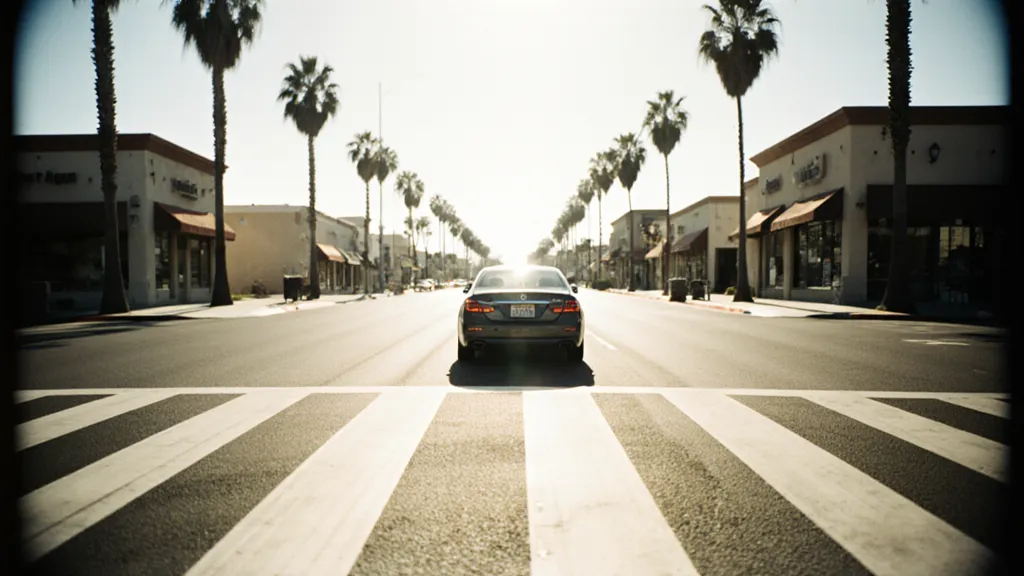
You were in a crosswalk, or maybe a few steps outside of one, and a driver never saw you. Now you are dealing with a hospital bill, a police report you have not read, and an insurance adjuster who already wants a recorded statement. Here is how a California pedestrian accident claim actually works, and what protects you.
Why Pedestrian Cases Are Different From Ordinary Car Crashes
A person on foot absorbs the entire force of a collision. That single fact shapes everything about the claim: injuries skew severe (fractures, head trauma, internal injuries, long rehab), medical bills climb quickly, and the insurance company has a strong financial incentive to shift blame onto the person who was walking.
The other difference is coverage. In a two-car crash, both drivers carry insurance. When you are hit by a car while walking, you have no vehicle of your own in the collision — so the money has to come from somewhere less obvious. That is why identifying every available policy is often the most valuable work an attorney does on a pedestrian case.
California's Pedestrian Right-of-Way Rules
Fault in these cases usually turns on a handful of Vehicle Code sections.
- Vehicle Code § 21950 requires drivers to yield the right of way to a pedestrian crossing in a marked or unmarked crosswalk at an intersection. Every intersection has a crosswalk under California law, whether or not anyone painted lines on the pavement.
- The same section tells drivers to exercise due care for pedestrian safety and to reduce speed or take other action as needed — a duty that applies even when the pedestrian is not in a crosswalk.
- Vehicle Code § 21954 says a pedestrian crossing outside a crosswalk must yield to vehicles, but it expressly does not relieve drivers of the duty to use due care.
- The Freedom to Walk Act (AB 2147), effective January 1, 2023, bars officers from citing a pedestrian for crossing outside a crosswalk unless a reasonably careful person would see an immediate danger of collision. You can read the bill text at California Legislative Information.
Insurers still argue "jaywalking" constantly. The law is more favorable to injured pedestrians than adjusters like to admit.
What If You Were Partly at Fault?
California uses pure comparative negligence. If you were crossing mid-block while looking at your phone and a jury assigns you 30% of the blame, you still recover 70% of your damages. There is no percentage that cuts you off entirely. Do not let an adjuster tell you that stepping outside a crosswalk ends your claim — it does not.
Who Pays After You Are Hit While Walking
Compensation in a pedestrian claim can come from several places at once:
- The driver's bodily injury liability coverage. California's minimum is only $30,000 per person as of 2025, which severe injuries exhaust almost immediately.
- Your own uninsured/underinsured motorist (UM/UIM) coverage. This is the piece people miss. Your auto policy typically follows you, not your car — so it can apply when you are struck as a pedestrian, including in a hit-and-run. A household member's policy may cover you too.
- Medical payments (MedPay) coverage, which pays treatment bills regardless of fault.
- A commercial or employer policy, if the driver was working — delivery, rideshare, or a company vehicle. These policies carry far higher limits.
- A government entity, where a dangerous intersection, broken signal, or missing crosswalk contributed to the crash. These claims have a much shorter deadline (see below).
Deadlines You Cannot Miss
For most California personal injury claims, the statute of limitations is two years from the date of the injury (Code of Civil Procedure § 335.1).
If a public entity may share responsibility — a city, county, transit agency, or Caltrans — you generally must file a government claim within six months of the incident before you can sue. Miss that window and the case can be over before it starts. Deadlines shift for minors and in other circumstances, so confirm yours with an attorney rather than relying on a general rule. The California Courts self-help site at selfhelp.courts.ca.gov has plain-language background on filing deadlines.
What to Do in the Days After the Crash
- Get evaluated, even if you feel functional. Adrenaline masks head and internal injuries, and a gap in treatment is the first thing an adjuster points to.
- Make sure a police report exists and request a copy. Get the reporting agency and report number.
- Photograph the scene — the crosswalk, signal timing, sightlines, skid marks, your injuries. Return in daylight if you can.
- Identify witnesses and nearby cameras. Businesses overwrite security footage in days or weeks. A preservation letter sent early is often what saves a case.
- Decline the recorded statement until you have talked to a lawyer. You are not required to give the other driver's insurer one.
- Keep everything — bills, mileage, missed shifts, out-of-pocket costs.
What a Pedestrian Accident Claim Is Worth
No honest lawyer will quote you a number from a description of your case. Value depends on the severity and permanence of your injuries, total medical expenses, lost earnings and future earning capacity, the available insurance limits, and how clean the liability picture is. Serious cases with strong liability and adequate coverage resolve very differently from minor-injury cases against a minimum-limits policy.
Non-economic damages — pain, limitation, and disruption to your life — are a real and often substantial part of the claim. We cover how that piece gets valued in our guide to how pain and suffering is calculated in California, and the overall process in how car accident settlements work.
Frequently Asked Questions
What should I do after a pedestrian accident?
Get medical care, make sure the police document the crash, photograph the scene and your injuries, collect witness contact information, and avoid giving a recorded statement to the driver's insurer. Then contact a lawyer before the video and witness memories disappear.
Can a pedestrian be at fault for a car accident?
Yes. A pedestrian who darts into traffic, crosses against a signal, or steps off a curb into a vehicle's immediate path can carry some or most of the fault. Under California's pure comparative negligence rule, though, partial fault reduces your recovery rather than eliminating it.
Does car insurance cover pedestrian accidents?
The driver's liability coverage is the primary source. Your own auto policy can also pay through uninsured/underinsured motorist and MedPay coverage even though you were on foot — one of the most overlooked sources of compensation in these cases.
How long does it take to settle a pedestrian accident claim?
Most claims resolve in several months to about a year. The main driver is your medical treatment: settling before your condition stabilizes risks undervaluing future care. Disputed liability, multiple policies, or a filed lawsuit can extend it considerably.
How much compensation can I get for a pedestrian accident?
It depends on injury severity, medical costs, lost income, and available policy limits — which is why ranges quoted online are close to meaningless. Be skeptical of any firm that promises a figure before reviewing your records.
Talk to a California Pedestrian Accident Lawyer
If you or someone in your family was struck while walking, MMG Law Firm offers a free, no-obligation consultation to review what happened and what coverage may apply. We handle injury cases on a contingency fee — no fee unless we win — and serve clients across California. Contact us or learn more about our pedestrian accident practice.