
Bicycle Accidents matters in Hanford
Riding in and Around Hanford
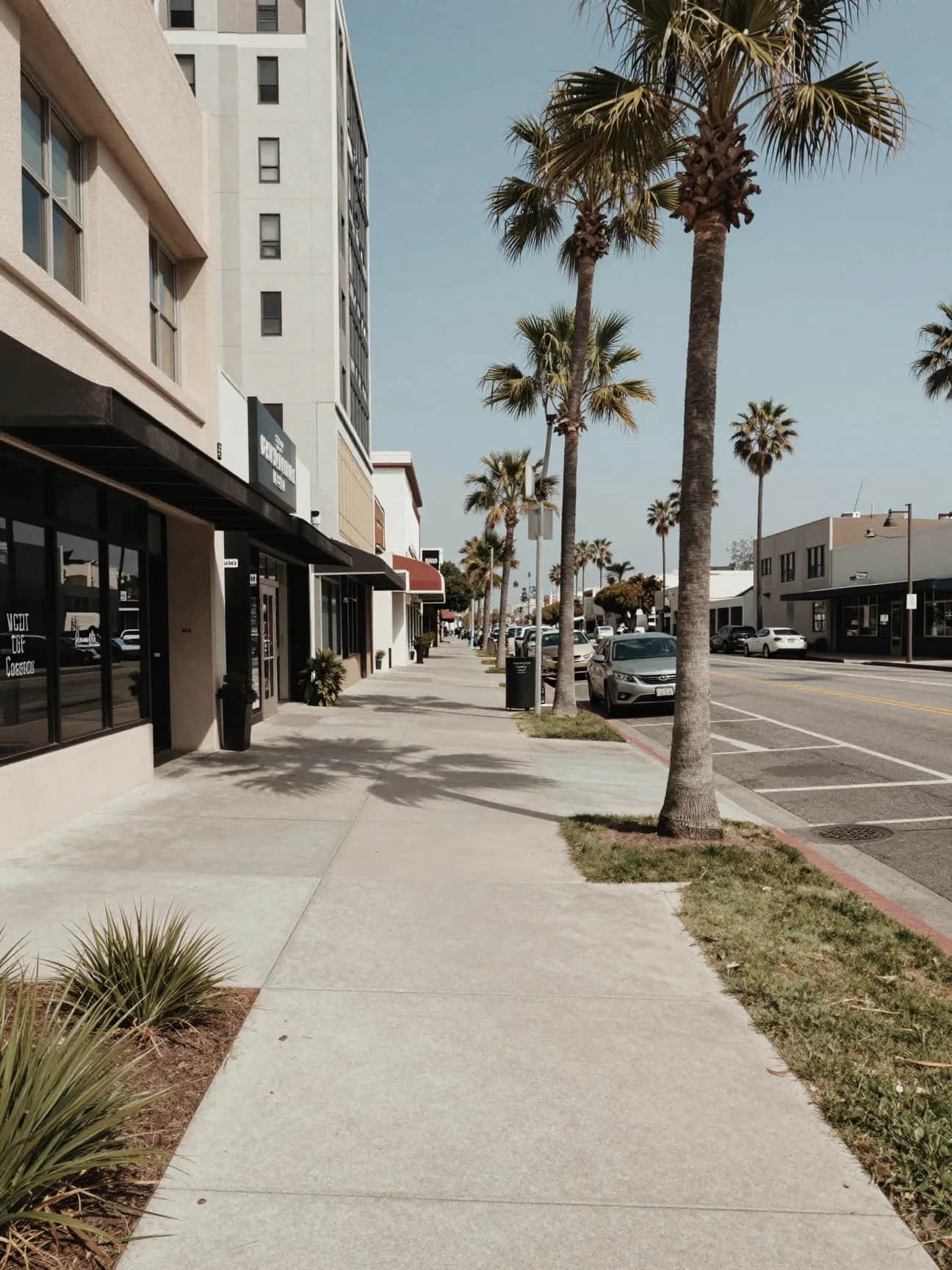
Hanford offers a mix of cycling environments, from the calmer streets near historic downtown and the Courthouse Square to wide arterials and open rural roads beyond town. Riders use bike lanes and shoulders along routes like Lacey Boulevard and 12th Avenue, while others venture onto country roads such as Hanford-Armona Road and Fargo Avenue where shoulders can be narrow and traffic moves fast. Each environment carries its own risks, and understanding where your crash happened, whether at a busy downtown intersection or on a high-speed rural stretch, shapes how fault is established.
Rural Shoulders and High Speeds
Many of the most serious bicycle collisions around Kings County occur on flat rural roads where drivers travel well above city speeds and may not expect to encounter a cyclist. A narrow or crumbling shoulder leaves little margin for error, and a driver who drifts or passes too closely can cause a devastating crash. California law requires motorists to give bicyclists a safe passing distance and to share the road. We investigate the road width, shoulder condition, and the driver's conduct to show how a pass-too-close or run-off-road collision actually occurred.
Intersections and the Right to the Road
In town, intersections along Grangeville Boulevard, 10th Avenue, and 11th Avenue are common crash points, often when a driver turns across a cyclist's path or fails to yield while pulling out. Bicyclists in California generally have the same rights and duties as drivers, and a motorist who ignores a rider's right of way is negligent. Insurers sometimes argue the cyclist appeared from nowhere or was riding improperly. We counter with scene evidence, damage patterns, and witness accounts to establish that the rider was lawfully using the road.
Vulnerable Riders, Serious Injuries
A cyclist has almost no protection in a collision with a vehicle, so crashes frequently cause fractures, head and spinal injuries, and severe road rash. Injured riders near Hanford are often treated at Adventist Health Hanford, and serious cases may require advanced trauma care elsewhere. These injuries can lead to long recoveries and lasting limitations. We make sure the full scope of harm is documented, including future medical needs and lost earning capacity, so any settlement or verdict reflects the real cost of the crash.
Protecting Cyclists in Kings County
When an insurer treats a cyclist unfairly or refuses a reasonable resolution, a bicycle injury lawsuit may be filed in the Kings County Superior Court in Hanford. Riders frequently face the assumption that they did something wrong simply by being on the road, and we work to dismantle that bias with facts and the law. MMG Law Firm represents injured bicyclists on a contingency basis, with no fee unless we recover, and we fight to secure the compensation a careless driver owes.
Our attorney
How Mihran M. Ghazaryan helps with bicycle accidents
Mihran M. Ghazaryan documents the bike-specific facts insurers prefer to ignore — door-zone collisions, unsafe passing, and right-hook turns — and counters the reflexive assumption that the cyclist was at fault. He gathers the scene evidence, witness accounts, and medical record that put the claim on solid ground, and handles the insurer directly so you can heal.
Types of bicycle accidents we handle
Door-zone collisions
California Vehicle Code §22517 makes opening a door into traffic the responsibility of the door-opener. We frame these cleanly.
Right-hook and unsafe-merge crashes
Drivers turning across a bike lane without yielding. Lane-position and bike-lane markings are central.
Hit-from-behind crashes
Often the most serious injuries. Visibility analysis and reconstruction matter here as much as in any motor-vehicle case.
Damages
What compensation can cover
Every bicycle accident claim is different, but California law allows injured plaintiffs to seek several categories of damages. We build each one with documentation — medical records, wage statements, expert opinions — so nothing is left on the table.
Medical expenses
Emergency care, hospitalization, surgery, rehabilitation, and the future treatment your providers say you'll need.
Lost wages
Income you lost while recovering — and, where the injury affects your ability to work, diminished future earning capacity.
Pain and suffering
Compensation for physical pain, emotional distress, and the ways the injury has changed how you live day to day.
Property damage
Repair or replacement of your vehicle and other property damaged in the incident.
Out-of-pocket costs
Transportation to appointments, medical equipment, household help, and the other expenses an injury forces on you.
How we work
- 1
Free, no-pressure consultation
We listen first. We answer your questions. There is no fee for the initial conversation — and you decide whether to engage us at the end of it.
- 2
Investigation and evidence preservation
Police reports, scene photos, witness statements, vehicle data, surveillance video, medical records. The earlier we collect, the harder it is for the other side to reshape the story later.
- 3
Treatment, demand, and negotiation
We coordinate with your providers, document the full extent of damages — medical, lost income, pain — and present a demand backed by evidence. We push back firmly when an insurer lowballs.
- 4
Litigation when necessary
Most matters settle. When an insurer refuses to be reasonable, we file. Preparing every case as if it will be tried is what makes the settlement number move.
What to do right away
- Get medical attention — concussion symptoms can take days to appear.
- Photograph the bike's resting position, the lane markings, and the vehicle.
- Save the bike, your helmet, and clothing without cleaning them.
- Identify witnesses; pedestrians and other riders often see what police miss.
- Call us before contacting either insurer.
The information on this website is for general information purposes only. Nothing on this site should be taken as legal advice for any individual case or situation. This information is not intended to create, and receipt or viewing does not constitute, an attorney-client relationship.
Deadlines that matter
Most California personal-injury claims must be filed within two years of the injury (Code of Civil Procedure §335.1). Miss the window and the court will almost always dismiss the case, no matter how strong it is.
Claims against government entities are much shorter — generally a written claim within six months (Government Code §911.2). Crashes involving city vehicles, public buses, or dangerous public-road conditions can fall under this rule.
Exceptions exist in both directions — discovery rules, minors, continuing violations, out-of-state defendants — so don't assume your deadline has passed or that you have time to spare. Call (818) 539-7969 and we'll tell you exactly where you stand.