
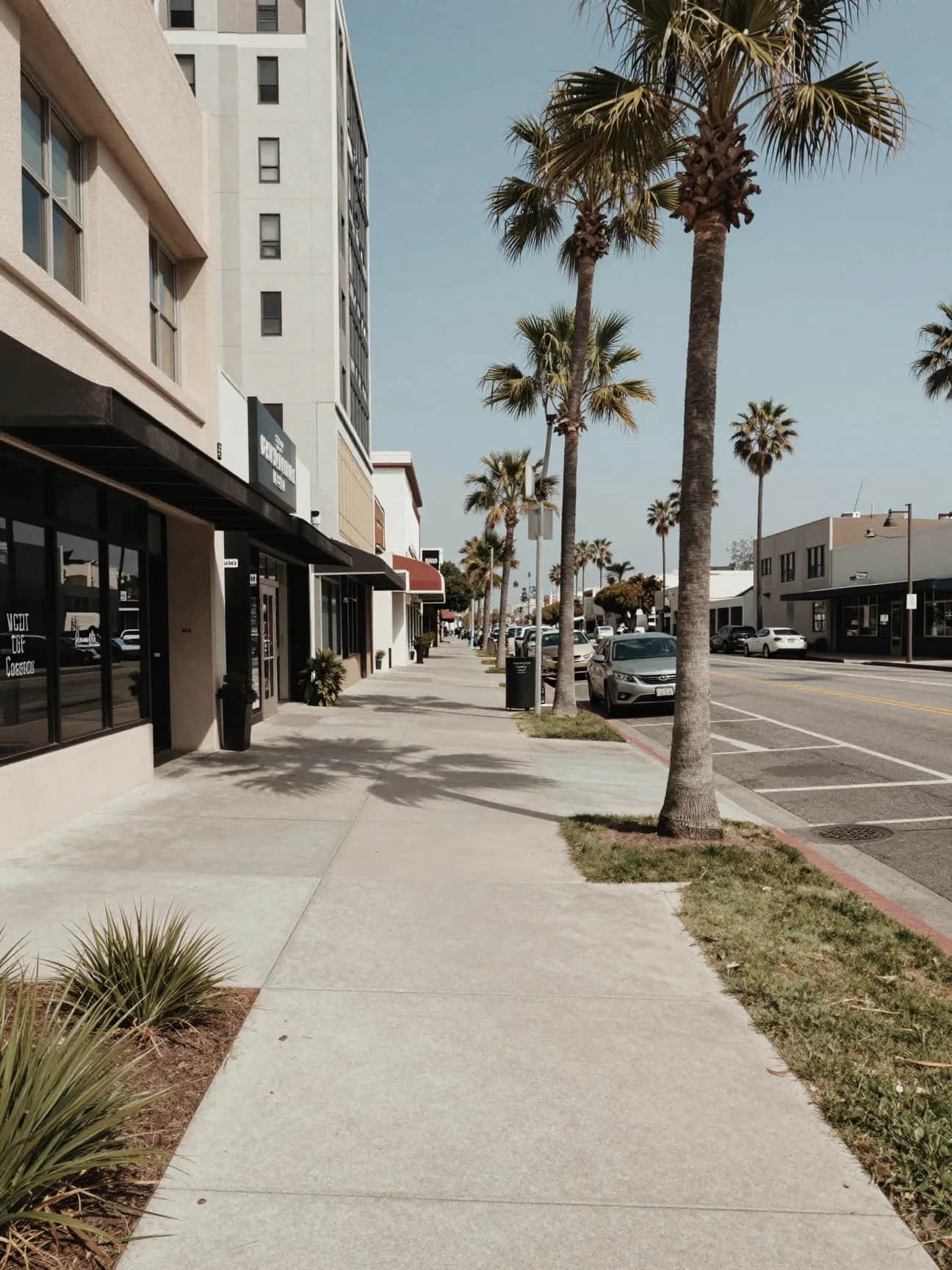
Truck Accidents matters in Bakersfield
Bakersfield sits at the heart of one of California's busiest freight corridors, where Highway 99 and Interstate 5 funnel an enormous volume of commercial trucks through Kern County every day. Just south of the city, I-5 climbs the Grapevine over Tejon Pass, a steep, weather-prone grade where overheated brakes, runaway descents, and chain-control conditions cause some of the state's most catastrophic truck wrecks. Add the oil-field tankers, agricultural haulers, and produce trucks moving along Highway 58 and the surface routes, and the result is a region where serious commercial-vehicle collisions are a constant risk.
These cases are fundamentally different from ordinary car accidents. Trucking companies dispatch rapid-response investigators to the scene, and the evidence that proves fault can disappear quickly unless someone acts to preserve it.
Why These Crashes Happen Here
- Heavy through-traffic on Highway 99 and I-5, with the Grapevine and Tejon Pass creating long, dangerous downgrades
- Oil-industry tankers and equipment trucks tied to Kern County's energy sector
- Agricultural and produce hauling on Highway 58 and rural connectors
- Driver fatigue, tight delivery schedules, and pressure to push past safe limits
- Improperly loaded or overweight trailers that shift, jackknife, or roll
The Federal Rules That Govern Trucking
Commercial carriers must follow the Federal Motor Carrier Safety Administration (FMCSA) regulations, including hours-of-service limits that cap how long a driver can operate before resting. Most rigs record duty status through an electronic logging device (ELD), and many carry a "black box" event-data recorder that captures speed, braking, and throttle input in the seconds before impact. We move fast to send preservation letters demanding the ELD logs, black-box data, dispatch records, maintenance files, drug-and-alcohol testing records, and the driver's qualification history before they are overwritten or lost. A carrier may be liable not only for its driver's conduct but for negligent hiring, inadequate training, or pushing schedules that all but require drivers to violate the hours-of-service limits.
Injuries, Case Types & Compensation
The sheer mass of a commercial truck means survivors often face life-altering harm, including traumatic brain and spinal cord injuries, multiple fractures and crush injuries, internal organ damage, severe lacerations, and wrongful death. We handle underride and jackknife collisions, tire-blowout and brake-failure cases, and crashes caused by overweight or shifting loads.
Under California law, an injured person may pursue both economic and non-economic damages. Economic damages cover hospital bills, future medical care, lost wages, and reduced earning capacity. Non-economic damages address pain, suffering, disfigurement, and loss of enjoyment of life, and a wrongful-death claim may compensate a family for their loss. Commercial trucks typically carry far larger insurance policies than passenger cars, but bigger policies mean more aggressive defense teams that work to minimize what they pay. California follows pure comparative negligence, so a recovery can be reduced by your share of fault but is not barred even if you were partly responsible. We do not promise outcomes or amounts; the value of any claim depends on its specific facts.
Deadlines & the Kern County Court
Most California personal-injury claims must be filed within two years of the crash under Code of Civil Procedure section 335.1, and waiting too long can forfeit the case entirely. Lawsuits arising from Bakersfield truck collisions are typically handled by the Kern County Superior Court, whose main courthouse is on Truxtun Avenue in downtown Bakersfield.
How MMG Law Firm Helps
MMG Law Firm, led by attorney Mihran M. Ghazaryan, represents injured people across California from our Glendale base, roughly 110 miles south of Bakersfield via I-5 and the Grapevine. We handle the investigation, evidence preservation, and negotiation remotely and appear in Kern County court when your case requires it, so you never have to manage the legal fight alone. Consultations are free in English, Armenian, and Russian, and we work on contingency, meaning no fee unless we win.
Our attorney
How Mihran M. Ghazaryan helps with truck accidents
Truck cases are won or lost in the first days, so Mihran M. Ghazaryan moves immediately to preserve the evidence — the electronic logging device, the driver's hours-of-service records, and the truck's onboard data — before it can be overwritten. He identifies every responsible party (driver, carrier, broker, and their separate insurers) and applies the federal motor-carrier rules that govern these cases, building the claim for the larger exposure a commercial policy carries.
Types of truck accidents we handle
Tractor-trailer and 18-wheeler crashes
Often involve fatigue, improper loading, or maintenance failures. We send a preservation letter immediately and pursue ELD and ECM data.
Delivery-truck and box-truck collisions
Last-mile delivery has driven a surge in inexperienced drivers under tight schedules. Liability often runs to the carrier, not just the driver.
Underride and override collisions
Catastrophic injury cases. Vehicle conspicuity, guard equipment, and applicable FMCSA standards all matter.
Damages
What compensation can cover
Every truck accident claim is different, but California law allows injured plaintiffs to seek several categories of damages. We build each one with documentation — medical records, wage statements, expert opinions — so nothing is left on the table.
Medical expenses
Emergency care, hospitalization, surgery, rehabilitation, and the future treatment your providers say you'll need.
Lost wages
Income you lost while recovering — and, where the injury affects your ability to work, diminished future earning capacity.
Pain and suffering
Compensation for physical pain, emotional distress, and the ways the injury has changed how you live day to day.
Property damage
Repair or replacement of your vehicle and other property damaged in the incident.
Out-of-pocket costs
Transportation to appointments, medical equipment, household help, and the other expenses an injury forces on you.
How we work
- 1
Free, no-pressure consultation
We listen first. We answer your questions. There is no fee for the initial conversation — and you decide whether to engage us at the end of it.
- 2
Investigation and evidence preservation
Police reports, scene photos, witness statements, vehicle data, surveillance video, medical records. The earlier we collect, the harder it is for the other side to reshape the story later.
- 3
Treatment, demand, and negotiation
We coordinate with your providers, document the full extent of damages — medical, lost income, pain — and present a demand backed by evidence. We push back firmly when an insurer lowballs.
- 4
Litigation when necessary
Most matters settle. When an insurer refuses to be reasonable, we file. Preparing every case as if it will be tried is what makes the settlement number move.
What to do right away
- Call 911 and request medical evaluation on scene.
- Photograph the truck — license plate, USDOT number, MC number, trailer markings.
- Get the trucking company's name, not just the driver's.
- Save any clothing or vehicle parts as evidence.
- Contact us before speaking with the trucking company's insurer or a 'rapid response' team.
The information on this website is for general information purposes only. Nothing on this site should be taken as legal advice for any individual case or situation. This information is not intended to create, and receipt or viewing does not constitute, an attorney-client relationship.
Deadlines that matter
Most California personal-injury claims must be filed within two years of the injury (Code of Civil Procedure §335.1). Miss the window and the court will almost always dismiss the case, no matter how strong it is.
Claims against government entities are much shorter — generally a written claim within six months (Government Code §911.2). Crashes involving city vehicles, public buses, or dangerous public-road conditions can fall under this rule.
Exceptions exist in both directions — discovery rules, minors, continuing violations, out-of-state defendants — so don't assume your deadline has passed or that you have time to spare. Call (818) 539-7969 and we'll tell you exactly where you stand.