
truck accidents · california personal injury
Truck Accident Lawyer in California
What to do after a big-rig or 18-wheeler crash in California, who can be held liable, and how to protect your right to compensation.
Mihran M. Ghazaryan··6 min read
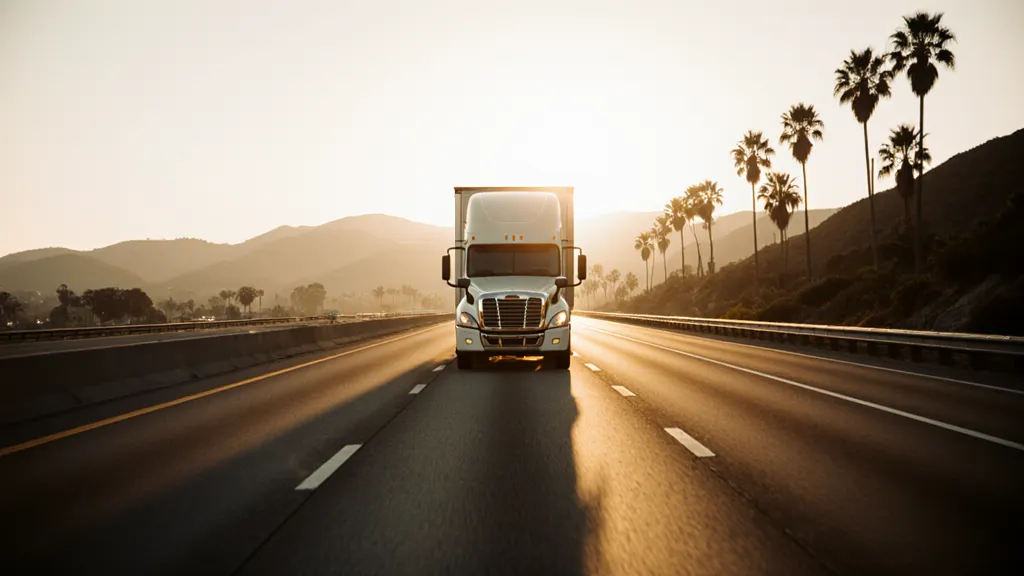
A collision with a fully loaded semi-truck rarely looks like a typical car accident. The injuries are more severe, the paperwork trail is longer, and there's usually a trucking company's insurance team working the case within hours. Here's what California law says about liability, compensation, and the steps that protect your claim.
Why Truck Accident Claims Are Different From Car Accident Claims
A commercial truck crash pulls in more parties, more evidence, and more rules than an ordinary car accident claim. A big rig can weigh 20 to 30 times more than a passenger vehicle, which is why crashes involving semis, tractor-trailers, and other large commercial vehicles produce a disproportionate share of catastrophic and fatal injuries on California roads.
Beyond the physical forces involved, these claims typically involve:
- Multiple potentially liable parties — not just the driver, but the trucking company, a cargo loading company, a maintenance contractor, or even the truck or parts manufacturer.
- Federal regulations layered on top of state law, governing everything from driver hours to vehicle inspections.
- Corporate insurance defense teams that often begin investigating — and sometimes contacting witnesses or preserving favorable evidence — within hours of a crash.
- Data sources unique to trucks, including electronic logging devices (ELDs), engine control module ("black box") data, and dashcam footage that can quickly disappear once litigation isn't anticipated.
Common Causes of California Truck Accidents
Truck crashes tend to trace back to a smaller set of recurring causes, including:
- Driver fatigue from violating federal hours-of-service limits
- Distracted driving, including cell phone use in the cab
- Improperly secured or overloaded cargo that shifts or falls
- Poor vehicle maintenance, such as worn brakes or tires
- Speeding or unsafe lane changes by drivers under pressure to meet delivery windows
- Inadequate driver training or hiring practices by the trucking company
Identifying the root cause early matters because it often points directly to who should be held financially responsible.
Who Can Be Held Liable
Under California negligence law, liability in a truck accident case can extend well beyond the driver:
- The truck driver, if their own negligence (speeding, fatigue, distraction) caused the crash.
- The trucking or motor carrier company, which can be liable directly for negligent hiring, training, or supervision, and vicariously liable for an employee-driver's conduct.
- A cargo loading or logistics company, if improperly loaded freight caused a rollover or spill.
- A maintenance or repair shop, if faulty repairs led to brake or tire failure.
- The truck or parts manufacturer, under product liability law, if a defective component contributed to the crash.
Because trucking companies are required by federal law to carry significantly higher liability insurance limits than passenger vehicles, a properly built truck accident claim can access meaningfully more coverage than a typical car accident settlement — but only if all liable parties are correctly identified before evidence disappears.
Federal and California Trucking Regulations That Matter
Commercial trucks operating in California are regulated by the Federal Motor Carrier Safety Administration (FMCSA), and violations of FMCSA rules are often central to proving negligence. Key regulations include:
- Hours-of-service limits restricting how long a driver may be on duty before mandatory rest.
- Commercial driver's license (CDL) requirements and disqualifying violations.
- Vehicle inspection, maintenance, and repair recordkeeping.
- Drug and alcohol testing requirements for commercial drivers.
You can review the current federal safety regulations directly through FMCSA.dot.gov. A documented violation — a driver over their hours limit, a carrier skipping required inspections — can significantly strengthen a negligence claim and, in some cases, support a claim for punitive damages.
Compensation Available After a California Truck Accident
Depending on the severity of the crash, injured victims may be entitled to recover:
- Medical expenses, past and reasonably certain future costs
- Lost wages and diminished future earning capacity
- Pain and suffering and loss of enjoyment of life
- Property damage to your vehicle
- Wrongful death damages for surviving family members, in fatal collisions
Every case is different, and no attorney can ethically guarantee a specific outcome or dollar figure — but a thorough investigation into every liable party and every layer of available insurance is what typically drives a stronger result. Because truck wrecks frequently cause life-altering injuries, some victims may also need to explore a catastrophic injury claim alongside the standard negligence case.
What to Do After a Truck Accident in California
- Get medical attention immediately, even if injuries seem minor at first — some symptoms take days to appear.
- Call law enforcement and request a copy of the collision report.
- Photograph the scene, both vehicles, cargo, skid marks, and any visible driver logs or company markings on the truck.
- Get the driver's information and their employer's name, USDOT number, and insurance details.
- Avoid giving a recorded statement to the trucking company's insurer before speaking with an attorney.
- Preserve evidence quickly — send a spoliation letter to the carrier if possible, since ELD and dashcam data can be overwritten within days or weeks.
California's Deadline to File a Truck Accident Claim
California's general personal injury statute of limitations is two years from the date of the accident (California Code of Civil Procedure Section 335.1), available through California's official legislative information site. If a government entity — such as a public agency's vehicle — is involved, the deadline shrinks dramatically to six months to file an administrative claim. Missing either deadline typically bars you from recovering compensation entirely, so it's important to confirm your specific timeline early. For general information on California court procedures, California Courts Self-Help is a useful public resource.
Frequently Asked Questions
How do truck accident claims differ from car accident claims?
Truck claims usually involve more potential defendants (the driver, the carrier, maintenance and cargo companies), federal safety regulations that don't apply to passenger vehicles, and larger insurance policies — all of which make the investigation and negotiation process more complex.
Who can be sued after a California truck accident?
Depending on the facts, you may have a claim against the driver, the trucking company, a cargo loader, a maintenance provider, or a parts manufacturer. Identifying every liable party is often the difference between a limited recovery and one that reflects the full extent of your losses.
How long does a California truck accident claim take to settle?
Timelines vary widely based on injury severity, how many parties are involved, and whether the case settles or proceeds to litigation — straightforward cases may resolve in months, while serious injury cases with disputed liability can take longer. An attorney can give you a realistic estimate once they understand your specific facts.
What federal rules affect truck accident claims in California?
FMCSA hours-of-service rules, CDL requirements, vehicle maintenance standards, and drug/alcohol testing regulations all apply to commercial trucks operating in California, and violations of these rules are often key evidence of negligence.
How do attorneys handle fees for truck accident claims?
Most personal injury attorneys, including our firm, handle truck accident cases on a contingency fee basis — meaning there's no upfront cost, and a fee is only owed if you recover compensation.
If you or a loved one has been injured in a California truck accident, you don't have to sort out liability, insurance, and federal regulations on your own. We offer a free, no-obligation consultation and handle injury cases on a contingency fee basis — no fee unless we win — for clients across California. Contact us today to talk through what happened and what your options are.