
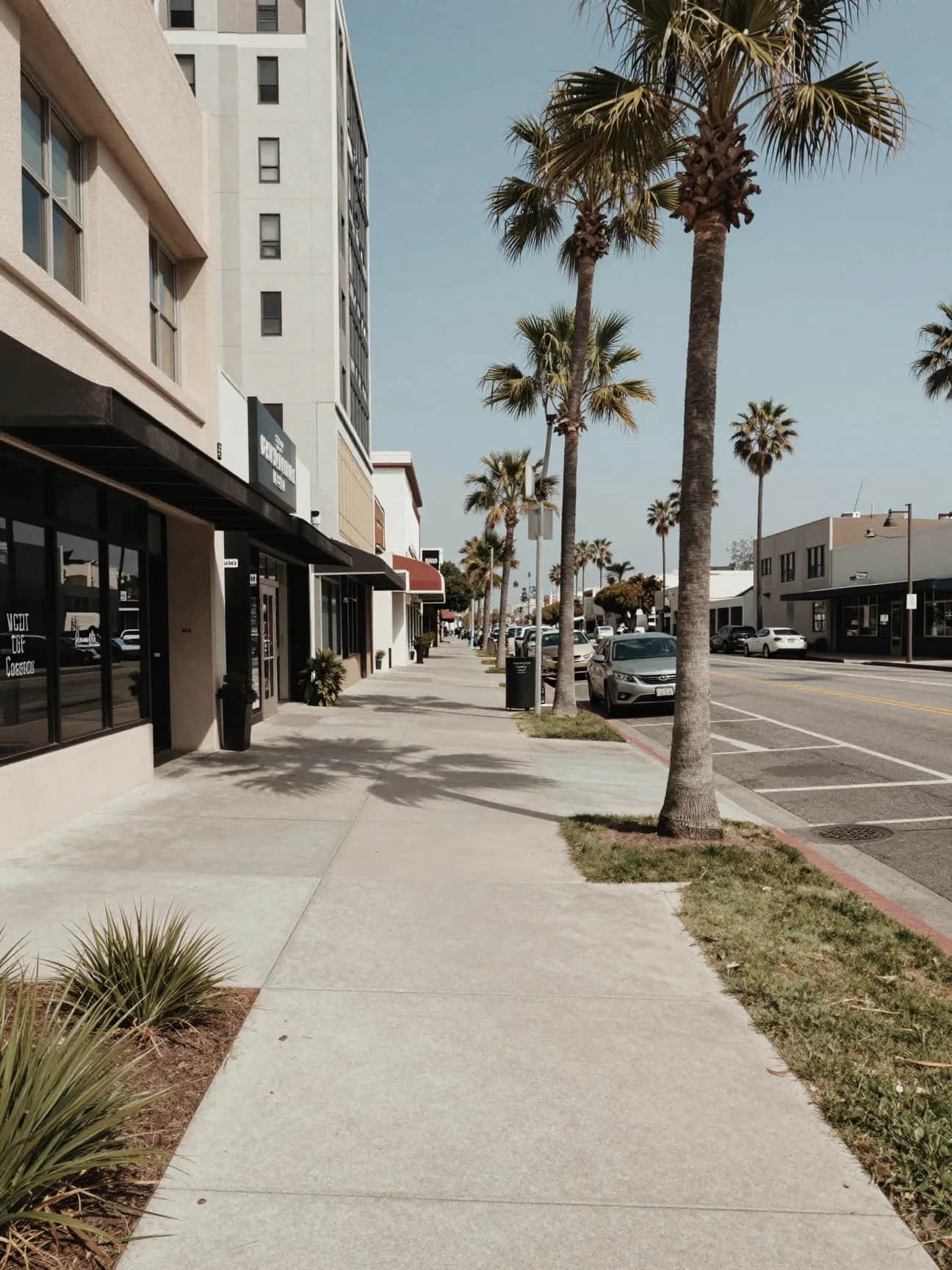
Slip and Fall matters in Davis
Where falls happen in Davis
Slip-and-fall and trip-and-fall injuries can happen anywhere people gather. In Davis, that means the retail centers along Second Street and the Davis Commons near downtown, grocery stores on Covell Boulevard, restaurants and bars in the G Street district, and the many student apartment complexes on the south and west sides of town. Spilled liquids on a store floor, freshly mopped surfaces with no warning sign, broken or uneven pavement, poorly lit stairwells and parking lots, and loose handrails are common hazards. The popular Davis Farmers Market in Central Park draws large crowds across uneven ground, and seasonal rain leaves walkways slick.
UC Davis and city-owned properties add another layer. A fall on public university or municipal property can involve a government entity, which changes the deadlines and procedures that apply to a claim.
Proving a premises liability claim
In California, a property owner or occupier owes visitors a duty to keep the premises reasonably safe and to warn of known dangers. To recover, you generally must show the owner caused the hazard, knew about it, or should have known about it through reasonable inspection and failed to fix or warn of it in a reasonable time. This is where evidence matters. Photographs of the hazard before it is cleaned up, incident reports, surveillance footage, and witness statements can make or break a case. Reporting the fall to the manager and keeping the shoes and clothing you wore can help.
Injuries and immediate care
Falls frequently cause broken wrists and hips, head injuries, and back and spine damage, especially for older adults. Get evaluated at Sutter Davis Hospital and follow through with treatment, both for your recovery and to document the injury. Insurers often argue a fall was the victim's own clumsiness, so contemporaneous medical records and scene evidence are important.
Comparative fault and Yolo County claims
California follows pure comparative negligence, so even if you are found partly responsible, you can still recover, reduced by your percentage of fault. If a government property is involved, a claim must be filed within six months. Most premises claims settle with the owner's insurer, but a suit can be filed in the Yolo County Superior Court in Woodland. MMG Law Firm serves clients in English, Armenian, and Russian.
Holding property owners accountable
A safe walkway or a wet-floor warning sign costs an owner almost nothing, yet failing to provide one can leave a visitor with a broken hip or a head injury. Davis store owners, landlords, and property managers have a duty to inspect their premises and address known hazards, and when they cut corners, the injured person should not bear the cost. MMG Law Firm moves quickly to preserve the surveillance footage, incident reports, and witness accounts that premises cases depend on. Each client receives direct attorney attention, with consultations available in English, Armenian, and Russian.
Our attorney
How Mihran M. Ghazaryan helps with slip and fall
Premises cases turn on notice — whether the owner knew or should have known about the hazard — so Mihran M. Ghazaryan builds the timeline early, before surveillance video is recorded over and conditions are fixed. He secures incident reports, photographs, and maintenance records, identifies the right defendant, and presents a documented demand rather than letting the insurer set the terms.
Types of slip and fall accidents we handle
Wet-floor and spill cases
Sweep schedules, mop logs, and warning-sign placement decide these. We pull them via subpoena when necessary.
Stair, handrail, and step defects
Code-compliance review and expert measurement of riser and tread tolerances drive liability.
Inadequate-security claims
Where assault or robbery occurred on premises and the owner knew of risk. Police-call records and prior incidents matter here.
Damages
What compensation can cover
Every slip and fall claim is different, but California law allows injured plaintiffs to seek several categories of damages. We build each one with documentation — medical records, wage statements, expert opinions — so nothing is left on the table.
Medical expenses
Emergency care, hospitalization, surgery, rehabilitation, and the future treatment your providers say you'll need.
Lost wages
Income you lost while recovering — and, where the injury affects your ability to work, diminished future earning capacity.
Pain and suffering
Compensation for physical pain, emotional distress, and the ways the injury has changed how you live day to day.
Property damage
Repair or replacement of your vehicle and other property damaged in the incident.
Out-of-pocket costs
Transportation to appointments, medical equipment, household help, and the other expenses an injury forces on you.
How we work
- 1
Free, no-pressure consultation
We listen first. We answer your questions. There is no fee for the initial conversation — and you decide whether to engage us at the end of it.
- 2
Investigation and evidence preservation
Police reports, scene photos, witness statements, vehicle data, surveillance video, medical records. The earlier we collect, the harder it is for the other side to reshape the story later.
- 3
Treatment, demand, and negotiation
We coordinate with your providers, document the full extent of damages — medical, lost income, pain — and present a demand backed by evidence. We push back firmly when an insurer lowballs.
- 4
Litigation when necessary
Most matters settle. When an insurer refuses to be reasonable, we file. Preparing every case as if it will be tried is what makes the settlement number move.
What to do right away
- Report the fall to the property manager and ask for a written incident report.
- Get a copy of the incident report before leaving — they are routinely 'lost' later.
- Photograph the hazard, the area, and your shoes.
- Preserve your shoes and clothing as worn.
- Get witness contact information immediately.
- Call us before signing anything from the property's insurer.
The information on this website is for general information purposes only. Nothing on this site should be taken as legal advice for any individual case or situation. This information is not intended to create, and receipt or viewing does not constitute, an attorney-client relationship.
Deadlines that matter
Most California personal-injury claims must be filed within two years of the injury (Code of Civil Procedure §335.1). Miss the window and the court will almost always dismiss the case, no matter how strong it is.
Claims against government entities are much shorter — generally a written claim within six months (Government Code §911.2). Crashes involving city vehicles, public buses, or dangerous public-road conditions can fall under this rule.
Exceptions exist in both directions — discovery rules, minors, continuing violations, out-of-state defendants — so don't assume your deadline has passed or that you have time to spare. Call (818) 539-7969 and we'll tell you exactly where you stand.