
Wrongful Death matters in San Luis Obispo
Wrongful Death on San Luis Obispo's Highways and Roads
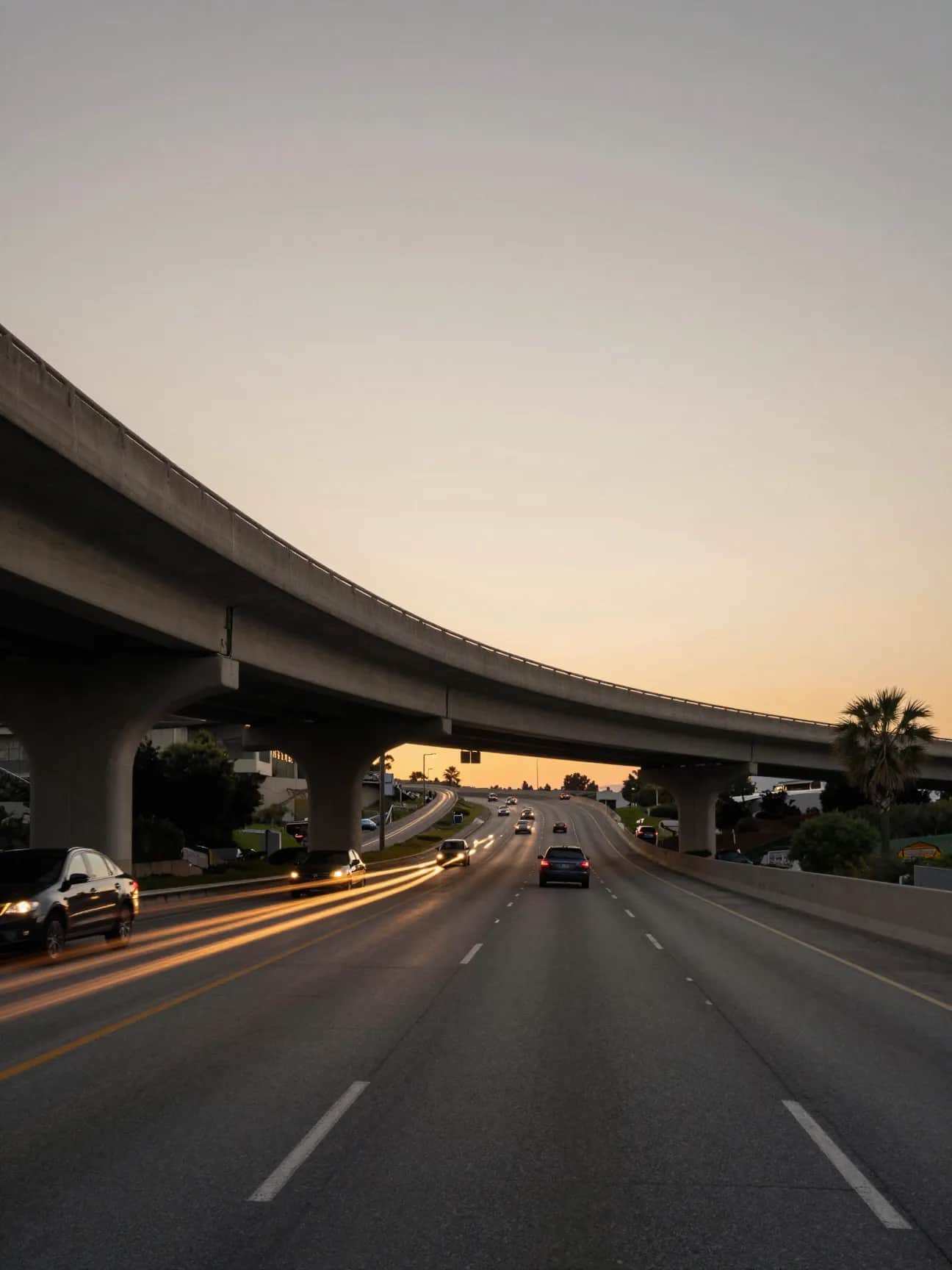
San Luis Obispo sits at the crossroads of US-101 and State Route 1, with State Route 227 funneling traffic between the airport, Edna Valley, and downtown. These corridors carry a mix of long-haul trucks, commuters, students from Cal Poly, and tourists unfamiliar with the terrain. The Cuesta Grade north of the city is one of the most demanding stretches on the Central Coast, where steep gradients, sudden fog, and speed combine to produce severe and sometimes fatal collisions. When a crash on these roads takes a life, families are left to navigate grief alongside hospital bills, funeral costs, and unanswered questions about what happened.
A San Luis Obispo wrongful death case can arise from a highway collision, a commercial truck wreck on the grade, a pedestrian struck downtown near Higuera Street, or a fall on unsafe property. Each requires a careful reconstruction of the final events, and California law is specific about who may bring the claim and what may be recovered.
Who May File and What California Allows
Under California Code of Civil Procedure section 377.60, a wrongful death action may be brought by the surviving spouse, domestic partner, children, and, in some circumstances, other dependents or heirs. The recovery is meant to compensate the family for their loss, including financial support the deceased would have provided, funeral and burial expenses, and the loss of love, companionship, comfort, and guidance. A separate survival action, brought on behalf of the estate, can recover certain losses the deceased experienced before death. We help families understand which claims apply and how they fit together, and we coordinate with the estate when probate is involved.
Investigations, Evidence, and the SLO Superior Court
Fatal collision cases on the Central Coast are frequently investigated by the California Highway Patrol or the San Luis Obispo Police Department, and their reports become a starting point rather than the final word. We work with reconstruction specialists, gather scene evidence, and preserve vehicle data before it disappears. If your loved one was treated at French Hospital Medical Center or Sierra Vista Regional Medical Center before passing, those records help establish the full picture. Wrongful death lawsuits in this area are filed in the San Luis Obispo County Superior Court on Monterey Street.
Compassionate, Confidential Representation
No amount of money replaces a person, and we will never pretend otherwise or promise a particular result. What we can promise is diligent work, honest counsel, and a steady hand through a difficult process. We answer your questions in plain language, in English, Armenian, or Russian, and we move at a pace that respects your family's grief.
Our attorney
How Mihran M. Ghazaryan helps with wrongful death
These are the matters Mihran M. Ghazaryan approaches with the most care. He identifies the family members California law allows to bring a claim, handles the process so the family doesn't have to relive it at every turn, and accounts fully for both the economic and the human losses — quietly, respectfully, and with the family's wishes leading the way.
Types of wrongful death matters we handle
Motor-vehicle fatalities
Includes pedestrian, bicycle, motorcycle, and passenger fatalities. Federal regulations and CHP investigation drive the timeline.
Premises and workplace fatalities
Cal-OSHA reports become available later than family expects. We coordinate the investigation around their pace, not the agency's.
Medical-related deaths
MICRA limits and physician/hospital coordination create unique procedural rules. We work with consulting experts early.
Damages
What compensation can cover
Every wrongful death claim is different, but California law allows injured plaintiffs to seek several categories of damages. We build each one with documentation — medical records, wage statements, expert opinions — so nothing is left on the table.
Medical expenses
Emergency care, hospitalization, surgery, rehabilitation, and the future treatment your providers say you'll need.
Lost wages
Income you lost while recovering — and, where the injury affects your ability to work, diminished future earning capacity.
Pain and suffering
Compensation for physical pain, emotional distress, and the ways the injury has changed how you live day to day.
Property damage
Repair or replacement of your vehicle and other property damaged in the incident.
Out-of-pocket costs
Transportation to appointments, medical equipment, household help, and the other expenses an injury forces on you.
How we work
- 1
Free, no-pressure consultation
We listen first. We answer your questions. There is no fee for the initial conversation — and you decide whether to engage us at the end of it.
- 2
Investigation and evidence preservation
Police reports, scene photos, witness statements, vehicle data, surveillance video, medical records. The earlier we collect, the harder it is for the other side to reshape the story later.
- 3
Treatment, demand, and negotiation
We coordinate with your providers, document the full extent of damages — medical, lost income, pain — and present a demand backed by evidence. We push back firmly when an insurer lowballs.
- 4
Litigation when necessary
Most matters settle. When an insurer refuses to be reasonable, we file. Preparing every case as if it will be tried is what makes the settlement number move.
What to do right away
- Take the time you need before making decisions about a case.
- Preserve any evidence in your possession — vehicles, clothing, devices.
- Do not sign anything from the at-fault party's insurer.
- Be cautious of social-media posts; they will be reviewed.
- When ready, call us. The consultation is free and there is no rush.
The information on this website is for general information purposes only. Nothing on this site should be taken as legal advice for any individual case or situation. This information is not intended to create, and receipt or viewing does not constitute, an attorney-client relationship.
Deadlines that matter
Most California personal-injury claims must be filed within two years of the injury (Code of Civil Procedure §335.1). Miss the window and the court will almost always dismiss the case, no matter how strong it is.
Claims against government entities are much shorter — generally a written claim within six months (Government Code §911.2). Crashes involving city vehicles, public buses, or dangerous public-road conditions can fall under this rule.
Exceptions exist in both directions — discovery rules, minors, continuing violations, out-of-state defendants — so don't assume your deadline has passed or that you have time to spare. Call (818) 539-7969 and we'll tell you exactly where you stand.