
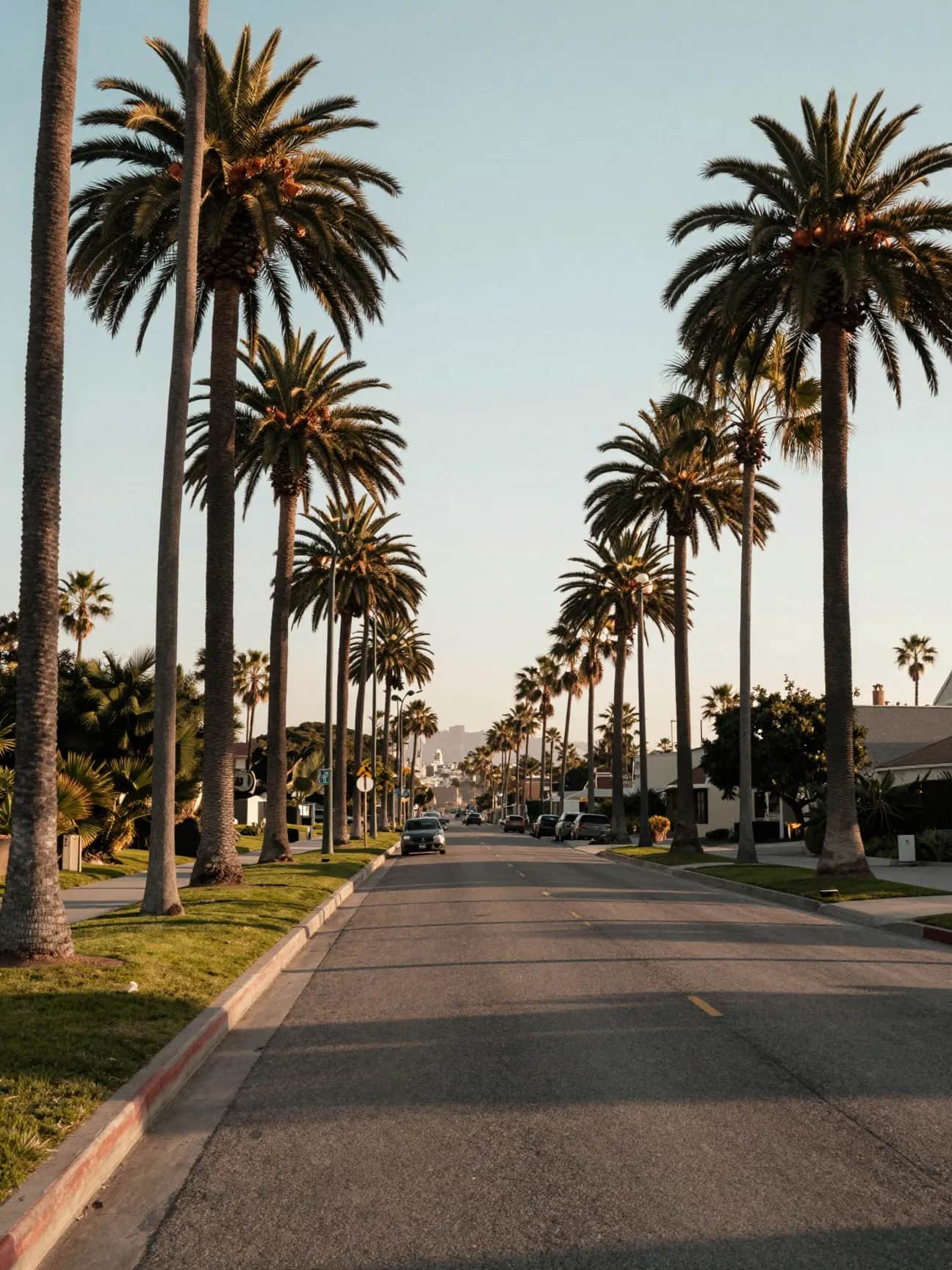
Motorcycle Accidents matters in San Bernardino
Motorcycling around San Bernardino means contending with a mix of high-speed freeways and wide surface streets where cars move quickly and sightlines are short. The 215 and 210 interchange concentrates merging traffic, the foothill routes climbing toward the mountains carry curves and changing grades, and the broad arterials through the valley invite speed. For a rider, a momentary lane change or left turn by an inattentive driver can mean a catastrophic crash.
Motorcycle cases also carry a built-in challenge: insurers frequently assume the rider was speeding or reckless. Pushing back on that bias with facts is a core part of what a rider's lawyer does.
Why motorcycle crashes happen here
- Drivers turning left across a rider's path at valley intersections
- Merging conflicts at the 215 and 210 interchange
- Foothill routes with curves, grade changes, and gravel or debris
- Wide, fast arterials where cars misjudge a motorcycle's speed and distance
- Drivers who simply fail to look for riders before changing lanes
Lane splitting is legal in California
California is the only state that expressly permits lane splitting. Vehicle Code section 21658.1 authorizes a motorcyclist to ride between rows of stopped or moving traffic, and it directs the CHP to develop safety guidelines. That means a rider who was lane splitting was not automatically breaking the law, and an insurer cannot simply assume fault on that basis. The real question is whether the rider acted reasonably under the conditions — a question of fact, not an automatic strike against the rider.
Injuries and case types
- Road rash and severe abrasions
- Broken bones, especially legs, wrists, and collarbones
- Traumatic brain injury, even with a helmet
- Spinal cord injuries and paralysis
- Wrongful death
Compensation you may pursue
California follows pure comparative negligence, so even if you bear some responsibility you can still recover, reduced by your percentage of fault. Damages can include economic losses — medical treatment, future care, lost earnings, and reduced earning capacity — as well as non-economic losses such as physical pain, emotional distress, and the loss of life's enjoyment. We do not quote dollar figures or promise results; the value turns on your particular circumstances.
Deadlines and the courthouse
Under Code of Civil Procedure section 335.1, you generally have two years from the date of the crash to bring a personal injury suit. That deadline is firm, and waiting can cost you the claim and let evidence fade. San Bernardino motorcycle cases proceed through the San Bernardino County Superior Court at the San Bernardino Justice Center.
How MMG Law Firm helps
From our Glendale office, a straightforward drive to San Bernardino on the 210, we represent injured riders here and across California. We investigate the scene, secure witness accounts, and confront the anti-rider bias insurers rely on. Consultations are free and offered in English, Armenian, and Russian, and we take motorcycle cases on contingency — no fee unless we win.
Our attorney
How Mihran M. Ghazaryan helps with motorcycle accidents
Riders walk in facing a built-in bias, and Mihran M. Ghazaryan's job is to dismantle it. He documents the mechanics of the crash — often with reconstruction — to show what actually happened, presents your injuries in full, and pushes back hard when an insurer tries to blame the rider. You deal directly with the attorney building that narrative, not a rotating intake team.
Types of motorcycle accidents we handle
Left-turn and right-of-way collisions
The classic cause: a car turning across the rider's path. Witness statements and timing analysis are key.
Lane-change and unsafe-merging crashes
California lane-splitting is legal — but reasonable. We document compliance with CHP guidelines to defeat shared-fault claims.
Road-defect and dooring claims
Government-entity claims have a six-month presentation deadline. Dooring claims involve California Vehicle Code §22517.
Damages
What compensation can cover
Every motorcycle accident claim is different, but California law allows injured plaintiffs to seek several categories of damages. We build each one with documentation — medical records, wage statements, expert opinions — so nothing is left on the table.
Medical expenses
Emergency care, hospitalization, surgery, rehabilitation, and the future treatment your providers say you'll need.
Lost wages
Income you lost while recovering — and, where the injury affects your ability to work, diminished future earning capacity.
Pain and suffering
Compensation for physical pain, emotional distress, and the ways the injury has changed how you live day to day.
Property damage
Repair or replacement of your vehicle and other property damaged in the incident.
Out-of-pocket costs
Transportation to appointments, medical equipment, household help, and the other expenses an injury forces on you.
How we work
- 1
Free, no-pressure consultation
We listen first. We answer your questions. There is no fee for the initial conversation — and you decide whether to engage us at the end of it.
- 2
Investigation and evidence preservation
Police reports, scene photos, witness statements, vehicle data, surveillance video, medical records. The earlier we collect, the harder it is for the other side to reshape the story later.
- 3
Treatment, demand, and negotiation
We coordinate with your providers, document the full extent of damages — medical, lost income, pain — and present a demand backed by evidence. We push back firmly when an insurer lowballs.
- 4
Litigation when necessary
Most matters settle. When an insurer refuses to be reasonable, we file. Preparing every case as if it will be tried is what makes the settlement number move.
What to do right away
- Get medical care immediately — adrenaline and gear can hide serious injury.
- Photograph the bike, your gear, and the scene before anything moves.
- Preserve your gear — helmet, jacket, gloves — without cleaning it.
- Identify any witnesses; bystanders often vanish quickly after motorcycle crashes.
- Call us before talking to either insurer.
The information on this website is for general information purposes only. Nothing on this site should be taken as legal advice for any individual case or situation. This information is not intended to create, and receipt or viewing does not constitute, an attorney-client relationship.
Deadlines that matter
Most California personal-injury claims must be filed within two years of the injury (Code of Civil Procedure §335.1). Miss the window and the court will almost always dismiss the case, no matter how strong it is.
Claims against government entities are much shorter — generally a written claim within six months (Government Code §911.2). Crashes involving city vehicles, public buses, or dangerous public-road conditions can fall under this rule.
Exceptions exist in both directions — discovery rules, minors, continuing violations, out-of-state defendants — so don't assume your deadline has passed or that you have time to spare. Call (818) 539-7969 and we'll tell you exactly where you stand.