
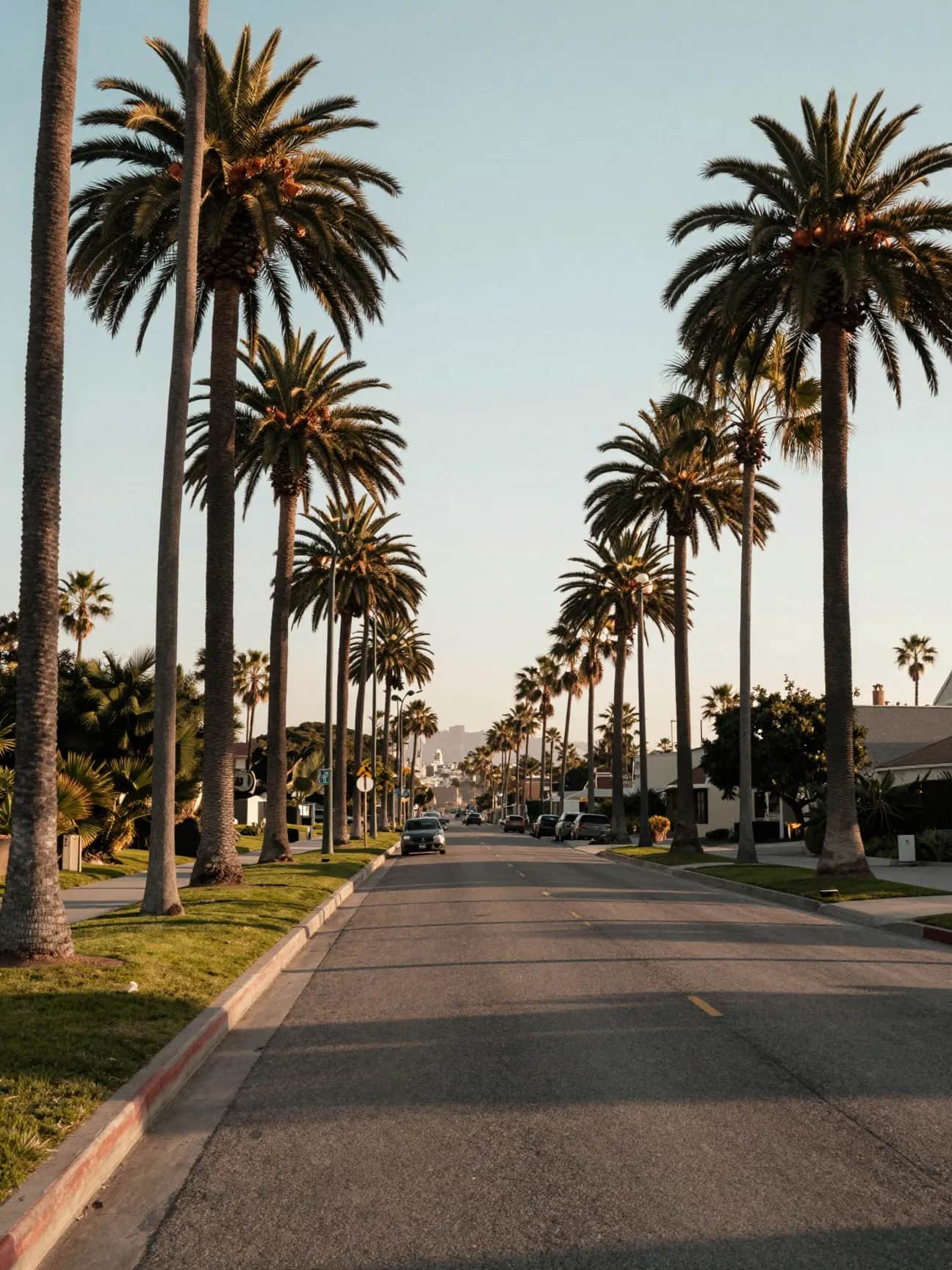
Car Accidents matters in Anaheim
Anaheim sits at one of the busiest crossroads in Orange County, where the Santa Ana Freeway (the 5), the Riverside Freeway (the 91), and the Orange Freeway (the 57) feed millions of trips a year toward the Disneyland Resort, the Anaheim Convention Center, Angel Stadium, and the Honda Center. That constant churn of commuters, rideshare drivers, rental cars, and out-of-town visitors unfamiliar with local roads makes rear-end collisions, intersection crashes, and lane-change wrecks a daily reality. When a negligent driver injures you here, California law gives you a path to recover — but the insurance company on the other side starts working against you immediately.
The firm represents people hurt in and around Anaheim while never claiming a local office. We are based in Glendale, roughly thirty miles north, and we handle Anaheim and statewide injury matters.
Why Anaheim car crashes happen
- Heavy merging and weaving where the 5, 91, and 57 converge near the Orange Crush interchange
- Tourist and event traffic clogging Harbor Boulevard, Katella Avenue, and Ball Road near the resort district
- Distracted and unfamiliar drivers searching for parking around Disneyland and the Convention Center
- Surface-street congestion on State College Boulevard and Lincoln Avenue during peak hours
California fault and comparative negligence
California is an at-fault state, so the driver who caused the collision — and that driver's insurer — is responsible for the harm. California also follows pure comparative negligence, meaning your recovery is reduced by your percentage of fault but is never barred outright, even if you are found mostly at fault. Insurers often exploit this rule by trying to pin a slice of blame on you, which is one reason early legal guidance matters.
Injuries and case types we handle
- Whiplash, neck, and back injuries, including herniated discs
- Concussions and traumatic brain injuries
- Broken bones, shoulder and knee damage, and surgical injuries
- Uninsured and underinsured motorist (UM/UIM) claims when the at-fault driver lacks adequate coverage
We also handle the medical liens that often attach to your treatment, negotiating them so more of any recovery stays with you.
Compensation you may pursue
California law allows recovery of both economic and non-economic damages. Economic damages cover measurable losses such as emergency care, surgery, ongoing treatment, lost wages, reduced earning capacity, and vehicle damage. Non-economic damages address pain, suffering, and the disruption to your daily life. Every claim is different, and no outcome can be promised — but we build each case to document the full scope of your losses rather than the lowball figure an adjuster offers first.
Deadlines and the Orange County courthouse
Most California car accident claims must be filed within two years of the crash under Code of Civil Procedure section 335.1. Miss that window and your claim is usually lost, so it is wise to act early while evidence is fresh. Anaheim car accident lawsuits are generally filed in the Orange County Superior Court at the Central Justice Center in Santa Ana.
How MMG Law Firm helps
We investigate the crash, deal with the insurers, and push for a fair result so you can focus on recovery. Consultations are free and available in English, Armenian, and Russian, and we work on contingency — no fee unless we win.
Our attorney
How Mihran M. Ghazaryan helps with car accidents
When you hire MMG Law Firm, attorney Mihran M. Ghazaryan handles your case personally — not a case manager you never meet. He reviews the police report and your medical records himself, takes over every call with the adjuster, and looks for coverage others miss, including your own uninsured/underinsured-motorist policy. He also manages the medical liens that can quietly eat into a recovery, so more of any settlement stays with you.
Types of car accidents we handle
Rear-end and stop-light collisions
Often clearer on liability, but insurers still routinely dispute injury causation in low-speed impacts. We pair the medical record with biomechanical context to defeat that argument.
Intersection and left-turn crashes
Disputed-fault claims where the right-of-way analysis matters. Reconstruction, signal timing, and witness statements drive the result.
Hit-and-run and uninsured-motorist
We work directly with your own UM/UIM coverage when the at-fault driver flees or has no insurance, and we make sure your insurer treats you as the customer, not the adversary.
Damages
What compensation can cover
Every car accident claim is different, but California law allows injured plaintiffs to seek several categories of damages. We build each one with documentation — medical records, wage statements, expert opinions — so nothing is left on the table.
Medical expenses
Emergency care, hospitalization, surgery, rehabilitation, and the future treatment your providers say you'll need.
Lost wages
Income you lost while recovering — and, where the injury affects your ability to work, diminished future earning capacity.
Pain and suffering
Compensation for physical pain, emotional distress, and the ways the injury has changed how you live day to day.
Property damage
Repair or replacement of your vehicle and other property damaged in the incident.
Out-of-pocket costs
Transportation to appointments, medical equipment, household help, and the other expenses an injury forces on you.
How we work
- 1
Free, no-pressure consultation
We listen first. We answer your questions. There is no fee for the initial conversation — and you decide whether to engage us at the end of it.
- 2
Investigation and evidence preservation
Police reports, scene photos, witness statements, vehicle data, surveillance video, medical records. The earlier we collect, the harder it is for the other side to reshape the story later.
- 3
Treatment, demand, and negotiation
We coordinate with your providers, document the full extent of damages — medical, lost income, pain — and present a demand backed by evidence. We push back firmly when an insurer lowballs.
- 4
Litigation when necessary
Most matters settle. When an insurer refuses to be reasonable, we file. Preparing every case as if it will be tried is what makes the settlement number move.
What to do right away
- Get medical attention even if you feel okay — adrenaline masks injury for hours.
- Document the scene with photos before anyone moves the vehicles, if it is safe.
- Get the other driver's name, license, plate, and insurance info.
- Write down what witnesses saw and how to reach them.
- File a report with the responding agency (or, for minor crashes, with DMV via SR-1 within 10 days).
- Do not give a recorded statement to the other driver's insurance before talking to a lawyer.
The information on this website is for general information purposes only. Nothing on this site should be taken as legal advice for any individual case or situation. This information is not intended to create, and receipt or viewing does not constitute, an attorney-client relationship.
Deadlines that matter
Most California personal-injury claims must be filed within two years of the injury (Code of Civil Procedure §335.1). Miss the window and the court will almost always dismiss the case, no matter how strong it is.
Claims against government entities are much shorter — generally a written claim within six months (Government Code §911.2). Crashes involving city vehicles, public buses, or dangerous public-road conditions can fall under this rule.
Exceptions exist in both directions — discovery rules, minors, continuing violations, out-of-state defendants — so don't assume your deadline has passed or that you have time to spare. Call (818) 539-7969 and we'll tell you exactly where you stand.