
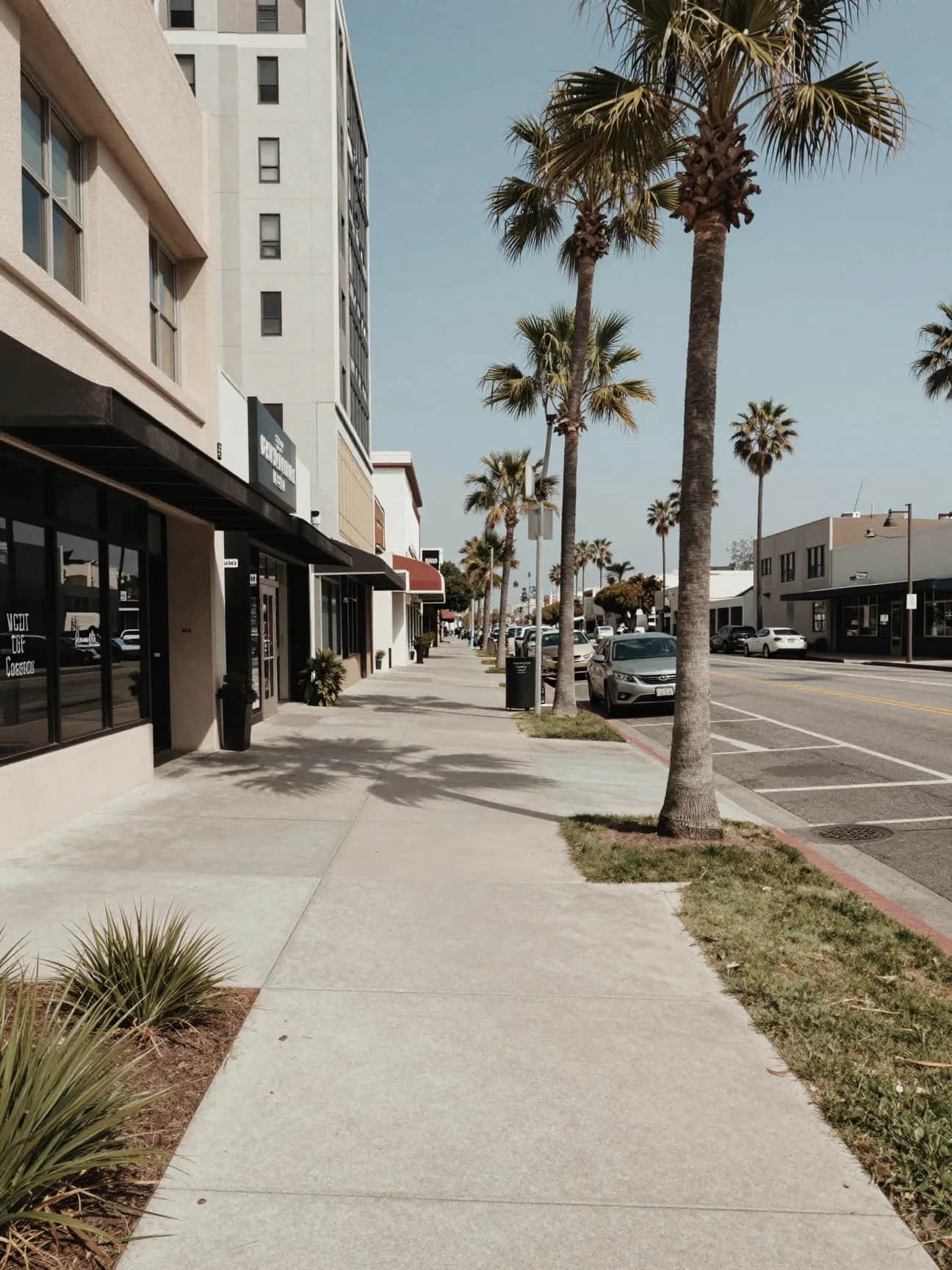
Slip and Fall matters in El Centro
Where Falls Happen in El Centro
Slip-and-fall injuries occur in the everyday places people in El Centro visit, including stores along Main Street and Imperial Avenue, restaurants, apartment complexes, parking lots, and public sidewalks downtown. A wet floor without a warning sign, a broken stair, a loose handrail, poor lighting in a stairwell, or an uneven walkway can all send a person to the ground in an instant. Older adults are especially at risk, and a single fall can lead to fractured hips, head injuries, or lasting mobility problems that change a person's daily life.
Premises Liability and the Duty of Care
California premises liability law requires property owners and businesses to keep their premises reasonably safe for visitors. This includes inspecting for hazards, fixing dangerous conditions, and warning of dangers that cannot be immediately repaired. A property owner is not automatically responsible every time someone falls. The key questions are whether a hazard existed, whether the owner knew or should have known about it, and whether they failed to address it in a reasonable time. MMG Law Firm investigates these issues to determine whether the law supports a claim.
The Importance of Notice and Evidence
Proving a slip-and-fall case often turns on the concept of notice, meaning whether the owner had actual or constructive knowledge of the hazard. A spill that sat for an hour while employees walked past it tells a very different story than one that appeared seconds before a fall. Surveillance footage, maintenance and inspection logs, incident reports, and witness statements can establish how long a danger existed. This evidence can disappear quickly, so it is important to document the scene and act promptly to preserve what is available.
Desert Conditions and Hidden Hazards
El Centro's desert environment creates its own premises risks. Blowing dust and sand can accumulate on walkways and entrances, and the contrast between bright outdoor glare and dim interiors can momentarily blind a visitor stepping inside a store. Extreme summer heat that exceeds 110 degrees can also cause failures in cooling equipment, leaving condensation or leaks on floors. Property owners are expected to account for these local conditions and keep their premises safe despite them. Injured visitors are often treated at El Centro Regional Medical Center.
Local Help Without Upfront Cost
Premises liability claims from the area are handled through the Imperial County Superior Court in El Centro. Working from a Glendale base, MMG Law Firm represents injured visitors throughout Imperial County, gathering evidence, dealing with insurers, and litigating when a fair resolution cannot be reached. Because we work on contingency, you pay nothing up front and owe no attorney fee unless the firm recovers for you. We help clients document their injuries and pursue the compensation they need to recover.
Our attorney
How Mihran M. Ghazaryan helps with slip and fall
Premises cases turn on notice — whether the owner knew or should have known about the hazard — so Mihran M. Ghazaryan builds the timeline early, before surveillance video is recorded over and conditions are fixed. He secures incident reports, photographs, and maintenance records, identifies the right defendant, and presents a documented demand rather than letting the insurer set the terms.
Types of slip and fall accidents we handle
Wet-floor and spill cases
Sweep schedules, mop logs, and warning-sign placement decide these. We pull them via subpoena when necessary.
Stair, handrail, and step defects
Code-compliance review and expert measurement of riser and tread tolerances drive liability.
Inadequate-security claims
Where assault or robbery occurred on premises and the owner knew of risk. Police-call records and prior incidents matter here.
Damages
What compensation can cover
Every slip and fall claim is different, but California law allows injured plaintiffs to seek several categories of damages. We build each one with documentation — medical records, wage statements, expert opinions — so nothing is left on the table.
Medical expenses
Emergency care, hospitalization, surgery, rehabilitation, and the future treatment your providers say you'll need.
Lost wages
Income you lost while recovering — and, where the injury affects your ability to work, diminished future earning capacity.
Pain and suffering
Compensation for physical pain, emotional distress, and the ways the injury has changed how you live day to day.
Property damage
Repair or replacement of your vehicle and other property damaged in the incident.
Out-of-pocket costs
Transportation to appointments, medical equipment, household help, and the other expenses an injury forces on you.
How we work
- 1
Free, no-pressure consultation
We listen first. We answer your questions. There is no fee for the initial conversation — and you decide whether to engage us at the end of it.
- 2
Investigation and evidence preservation
Police reports, scene photos, witness statements, vehicle data, surveillance video, medical records. The earlier we collect, the harder it is for the other side to reshape the story later.
- 3
Treatment, demand, and negotiation
We coordinate with your providers, document the full extent of damages — medical, lost income, pain — and present a demand backed by evidence. We push back firmly when an insurer lowballs.
- 4
Litigation when necessary
Most matters settle. When an insurer refuses to be reasonable, we file. Preparing every case as if it will be tried is what makes the settlement number move.
What to do right away
- Report the fall to the property manager and ask for a written incident report.
- Get a copy of the incident report before leaving — they are routinely 'lost' later.
- Photograph the hazard, the area, and your shoes.
- Preserve your shoes and clothing as worn.
- Get witness contact information immediately.
- Call us before signing anything from the property's insurer.
The information on this website is for general information purposes only. Nothing on this site should be taken as legal advice for any individual case or situation. This information is not intended to create, and receipt or viewing does not constitute, an attorney-client relationship.
Deadlines that matter
Most California personal-injury claims must be filed within two years of the injury (Code of Civil Procedure §335.1). Miss the window and the court will almost always dismiss the case, no matter how strong it is.
Claims against government entities are much shorter — generally a written claim within six months (Government Code §911.2). Crashes involving city vehicles, public buses, or dangerous public-road conditions can fall under this rule.
Exceptions exist in both directions — discovery rules, minors, continuing violations, out-of-state defendants — so don't assume your deadline has passed or that you have time to spare. Call (818) 539-7969 and we'll tell you exactly where you stand.