
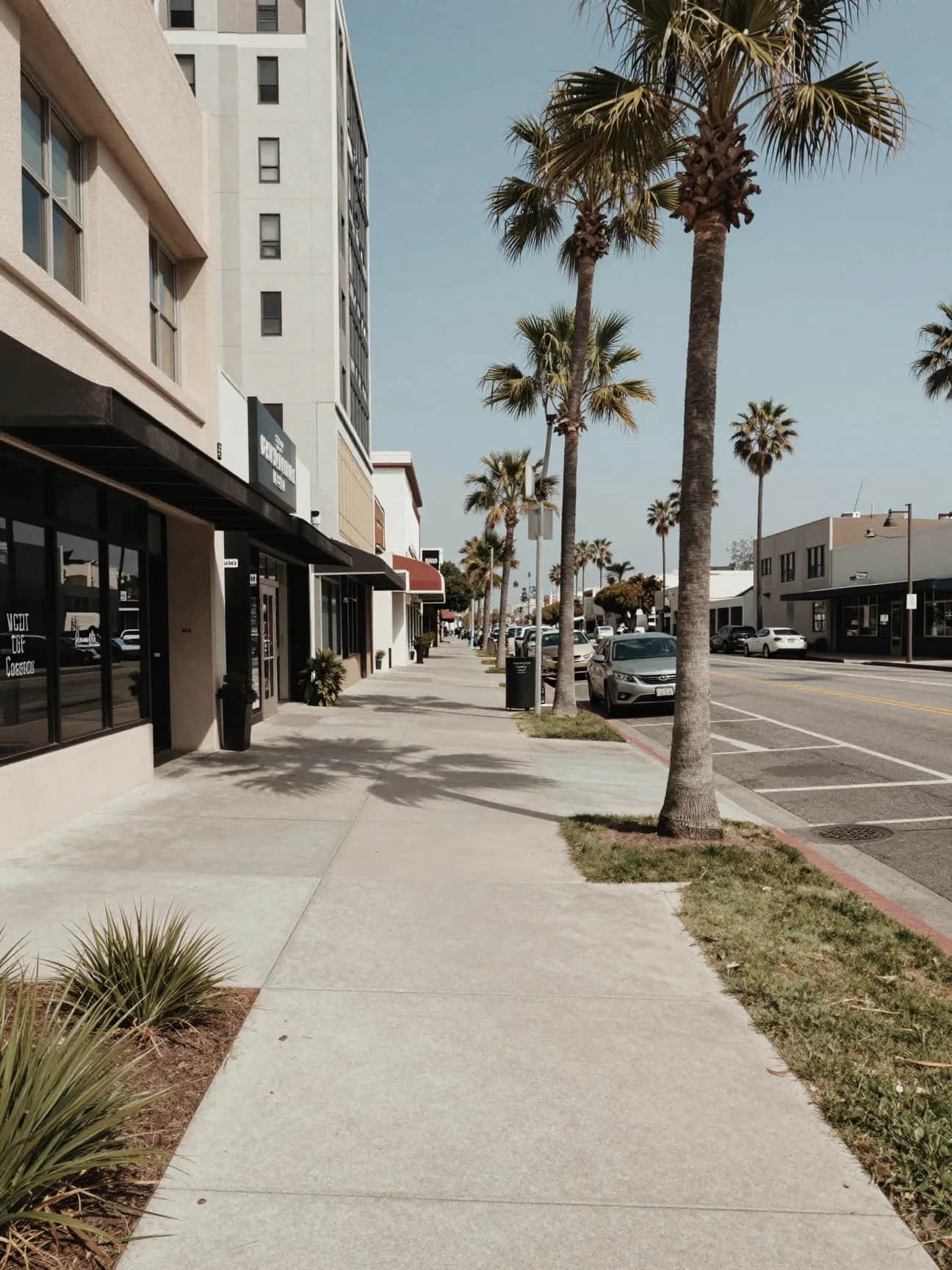
Pedestrian Accidents matters in Angels Camp
Pedestrian Injuries in Historic Angels Camp
Angels Camp draws people on foot. Visitors wander the historic Main Street, the old Highway 49 corridor through the heart of town, browsing shops and restaurants in Mark Twain's famous frog-jumping country. During the Calaveras County Fair and Jumping Frog Jubilee, foot traffic surges as crowds move between events. But this is also a highway town, and where pedestrians and through traffic share the same Mother Lode streets, the risk is real. A driver looking for parking, distracted by the scenery, or moving too fast through a crosswalk can cause catastrophic harm to someone simply trying to cross the road.
The built environment adds to the danger. Older Gold Country streets were not designed for modern traffic volumes, and stretches of Highway 49 through and near town can have limited sidewalks, faded crosswalks, and poor lighting after dark. Low winter sun and foothill fog reduce visibility further. When a pedestrian is hit on these roads, the injuries, broken bones, head trauma, internal damage, are frequently serious, and a remote location can mean a long wait for help and a transfer beyond Mark Twain Medical Center in San Andreas.
Proving What Happened
Drivers almost always claim the pedestrian "came out of nowhere." We do not accept that. California law gives pedestrians important protections, and we work to establish the facts: the point of impact, the driver's speed and attention, the lighting and crosswalk conditions, and any witness accounts. Where a missing crosswalk, broken streetlight, or other roadway hazard contributed, we examine whether a public entity shares responsibility, which carries strict deadlines under California law.
We document the human cost honestly. Pedestrian injuries often require long recoveries and ongoing care, and we make sure your medical records, lost income, and future needs are fully reflected, without exaggeration. Our job is to present the true picture so an insurer cannot minimize what you have been through.
Where a Calaveras County Case Is Filed
A pedestrian injury lawsuit from the Angels Camp area would generally be filed at the Calaveras County Superior Court in San Andreas, just north on Highway 49. Many claims resolve in negotiation, but we prepare every case for trial, because that posture is what insurers respect. From our Glendale office we handle the investigation, the filings, and the insurer communications so you can focus on healing.
A Free Conversation Costs Nothing
There is no charge to speak with us and no fee unless we recover for you. We will explain how California law applies to your case and what steps to take, in English, Armenian, or Russian.
Our attorney
How Mihran M. Ghazaryan helps with pedestrian accidents
Pedestrian injuries are usually severe, and the right-of-way analysis is everything. Mihran M. Ghazaryan investigates the crosswalk, signal timing, and roadway conditions, and where a city vehicle or dangerous public road is involved he protects the short six-month government-claim deadline that can otherwise end a case before it starts. He coordinates your care and documents the full extent of your losses.
Types of pedestrian accidents we handle
Crosswalk strikes
Marked or unmarked, California pedestrians retain right-of-way. We identify the sight-line failures and signal timing that tell the real story.
Parking-lot and back-over collisions
Often involve fleet vehicles, rideshare drivers, or delivery contractors. Surveillance footage matters and disappears fast.
Hit-and-run pedestrian claims
Your own UM/UIM policy may reach. Even when the driver is unidentified, recovery is often possible.
Damages
What compensation can cover
Every pedestrian accident claim is different, but California law allows injured plaintiffs to seek several categories of damages. We build each one with documentation — medical records, wage statements, expert opinions — so nothing is left on the table.
Medical expenses
Emergency care, hospitalization, surgery, rehabilitation, and the future treatment your providers say you'll need.
Lost wages
Income you lost while recovering — and, where the injury affects your ability to work, diminished future earning capacity.
Pain and suffering
Compensation for physical pain, emotional distress, and the ways the injury has changed how you live day to day.
Property damage
Repair or replacement of your vehicle and other property damaged in the incident.
Out-of-pocket costs
Transportation to appointments, medical equipment, household help, and the other expenses an injury forces on you.
How we work
- 1
Free, no-pressure consultation
We listen first. We answer your questions. There is no fee for the initial conversation — and you decide whether to engage us at the end of it.
- 2
Investigation and evidence preservation
Police reports, scene photos, witness statements, vehicle data, surveillance video, medical records. The earlier we collect, the harder it is for the other side to reshape the story later.
- 3
Treatment, demand, and negotiation
We coordinate with your providers, document the full extent of damages — medical, lost income, pain — and present a demand backed by evidence. We push back firmly when an insurer lowballs.
- 4
Litigation when necessary
Most matters settle. When an insurer refuses to be reasonable, we file. Preparing every case as if it will be tried is what makes the settlement number move.
What to do right away
- Accept emergency medical evaluation on scene, even if you can walk.
- Take photos of the location — crosswalk, signs, signals — and the vehicle's resting position.
- Get witness names; pedestrian witnesses are common but rarely contacted by police.
- Save the clothing you were wearing — it may be evidence.
- Call us before giving any statement.
The information on this website is for general information purposes only. Nothing on this site should be taken as legal advice for any individual case or situation. This information is not intended to create, and receipt or viewing does not constitute, an attorney-client relationship.
Deadlines that matter
Most California personal-injury claims must be filed within two years of the injury (Code of Civil Procedure §335.1). Miss the window and the court will almost always dismiss the case, no matter how strong it is.
Claims against government entities are much shorter — generally a written claim within six months (Government Code §911.2). Crashes involving city vehicles, public buses, or dangerous public-road conditions can fall under this rule.
Exceptions exist in both directions — discovery rules, minors, continuing violations, out-of-state defendants — so don't assume your deadline has passed or that you have time to spare. Call (818) 539-7969 and we'll tell you exactly where you stand.