
catastrophic injury · traumatic brain injury
Catastrophic Injury Lawyer California: Your Claim
Brain, spinal cord, and amputation claims are built differently in California — here is what proving lifetime damages actually takes.
Mihran M. Ghazaryan··6 min read
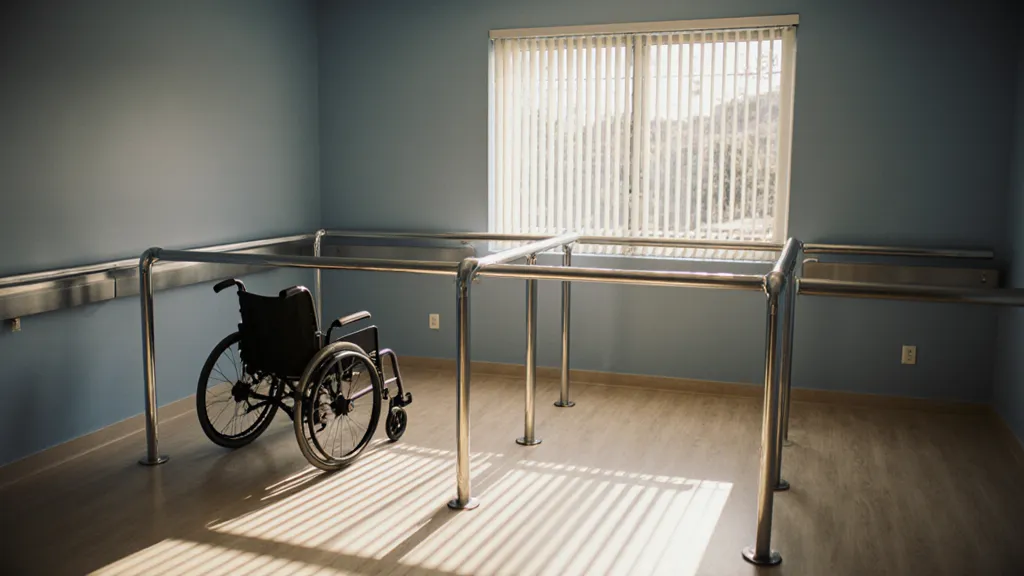
A broken arm heals. A severed spinal cord, a brain injury that erases short-term memory, an amputation — those reshape the rest of someone's life, and the claim has to be built to match. That difference is why catastrophic injury cases in California are handled differently from the start.
What Counts as a Catastrophic Injury in California
California statutes don't define "catastrophic injury" for ordinary personal injury claims — the term describes a category of harm rather than a legal test. In practice, a catastrophic injury is one that permanently prevents a person from returning to the work and daily life they had before. Insurers, life care planners, and courts generally treat these as catastrophic:
- Traumatic brain injury (TBI) — from mild concussion with lasting cognitive deficits to severe TBI requiring lifetime supervision
- Spinal cord injury — paraplegia, quadriplegia, or incomplete injuries with permanent nerve damage
- Amputation or loss of a limb, including surgical amputation after a crush injury
- Severe burns, especially third-degree burns requiring grafts and reconstructive surgery
- Loss of vision or hearing
- Multiple fractures or internal organ damage requiring repeat surgeries
- Injuries causing permanent disfigurement or paralysis
Note that one statutory definition does exist in a narrow setting: Labor Code § 4660.1 and related workers' compensation rules use their own criteria. If the injury happened on the job, the analysis is different and worth asking about specifically.
Why These Claims Are Built Differently
An ordinary soft-tissue claim is largely about medical bills already incurred. A catastrophic claim is mostly about costs that haven't happened yet — and proving future costs takes experts, not just records.
A well-built catastrophic case typically includes:
- A life care plan — a nurse or physician-prepared projection of every future surgery, therapy session, medication, wheelchair replacement, home attendant hour, and vehicle modification the injured person will need, year by year.
- An economist's report converting that plan, plus lost earning capacity, into present-day dollars.
- Vocational rehabilitation testimony on what work, if any, the person can still perform.
- Treating physician and neuropsychological testimony on permanence — critical in TBI cases, where imaging can look normal while deficits are real and measurable on neuropsychological testing.
The CDC's traumatic brain injury resources are a useful starting point for families trying to understand what recovery actually looks like.
Finding Every Source of Compensation
A catastrophic injury routinely exceeds the at-fault driver's policy limits. California requires only $30,000 in bodily injury coverage per person as of 2025 — nowhere near the cost of a spinal cord injury. A serious case means hunting for additional coverage:
- Umbrella or excess policies held by the at-fault party
- Employer liability, where the at-fault driver was working at the time (common in truck accident claims)
- Your own underinsured motorist (UIM) coverage, which stacks on top of the at-fault driver's limits
- Product liability, where a defective tire, airbag, or safety system contributed
- Premises or contractor liability on construction and property cases
- Government entity liability for dangerous roadway design or defective traffic signals
Multiple defendants is the norm, not the exception, in these cases.
California Damages Rules That Matter Here
No cap on non-economic damages applies in ordinary California personal injury cases — pain, suffering, and loss of enjoyment of life are not statutorily limited. The exception is medical malpractice, where Civil Code § 3333.2 caps non-economic damages at a figure that rises every January 1 under AB 35; confirm the current year's number before relying on it.
Comparative fault is pure in California. Being partly at fault reduces recovery by your percentage of fault — it does not bar the claim. A plaintiff found 40% responsible still recovers 60%.
Billed vs. paid. Under Howell v. Hamilton Meats, past medical damages are generally limited to amounts actually paid or owed, not the hospital's sticker price. Future care is valued differently, which is another reason the life care plan carries so much weight.
Liens. Medi-Cal, Medicare, ERISA health plans, and hospital liens all attach to settlements. Negotiating these down is part of the case, not an afterthought, and it directly affects what the family keeps.
The Deadlines — Verify Yours Immediately
California's general personal injury statute of limitations is two years from the date of injury (Code of Civil Procedure § 335.1). But the exceptions bite hard in catastrophic cases:
- Claims against a government entity: a written claim must be presented within six months, and suit filed within six months of the claim's rejection. Missing this usually ends the case.
- Medical malpractice: generally one year from discovery of the injury, and no more than three years from the injury itself.
- Injured minors: the limitations period is generally tolled until the child turns 18 — but government claim deadlines are not tolled the same way.
- Product liability and wrongful death have their own timing rules.
California Courts' self-help center explains the basic civil deadlines, but with a life-altering injury the stakes are too high to self-diagnose which rule applies.
What Families Should Do in the First Weeks
Preserve the physical evidence — the vehicle, the defective product, the scene — before it is repaired or discarded. Photograph everything. Keep a daily journal of symptoms, missed milestones, and the help the injured person now needs, because a brain injury's real impact shows up in these details long before it shows on a scan. Decline recorded statements to the other side's insurer. And do not accept an early settlement offer: the full cost of a catastrophic injury is almost never knowable in the first few months.
Frequently Asked Questions
What is considered a catastrophic injury?
An injury causing permanent impairment that prevents a return to prior work and independent daily living — typically brain and spinal cord injuries, amputations, severe burns, blindness, or paralysis. There is no single California statute defining it outside the workers' compensation context.
How much is a catastrophic injury case worth in California?
There is no reliable number, and any lawyer quoting one before reviewing your medical records is guessing. Value depends on the life care plan total, lost earning capacity, available insurance coverage, comparative fault, and venue. Cases involving lifetime attendant care are generally valued in a very different range from those with a projected recovery — a genuine estimate requires the expert workup described above.
How long does a catastrophic injury case take?
Longer than a routine claim. These cases usually should not settle until the injured person reaches maximum medical improvement, so future needs can be projected accurately — frequently a year or more into treatment. Litigation adds time, but it is often what moves an insurer off an inadequate offer.
Can I still recover if I was partly at fault?
Yes. California uses pure comparative negligence, so partial fault reduces recovery proportionally rather than barring it. Insurers often overstate a plaintiff's share of fault early on, which is one reason not to discuss fault with an adjuster.
What should I look for in a catastrophic injury lawyer?
Ask whether the firm has handled cases requiring life care planners and economists, whether it has taken comparable cases to trial, how it will fund expert costs, and who will actually handle your file. If you are weighing whether to hire counsel at all, our guide on whether you need a personal injury lawyer covers the threshold question.
If you or someone in your family has suffered a life-changing injury, MMG Law Firm offers a free, no-obligation consultation to review what happened and what your claim may involve. We handle catastrophic injury cases on a contingency fee — no fee unless we win — and serve clients across California. Contact us to talk through your situation.
This article is general information about California law, not legal advice. Deadlines and rules vary with the facts of each case — confirm how they apply to your situation with an attorney.